The Three Rooms of Mahala Orphanage
In early 2022, as the war sent shockwaves across the country, evacuations from the East forced thousands to flee West. In Chernivtsi, local institutions—already operating on thin margins—were suddenly inundated.
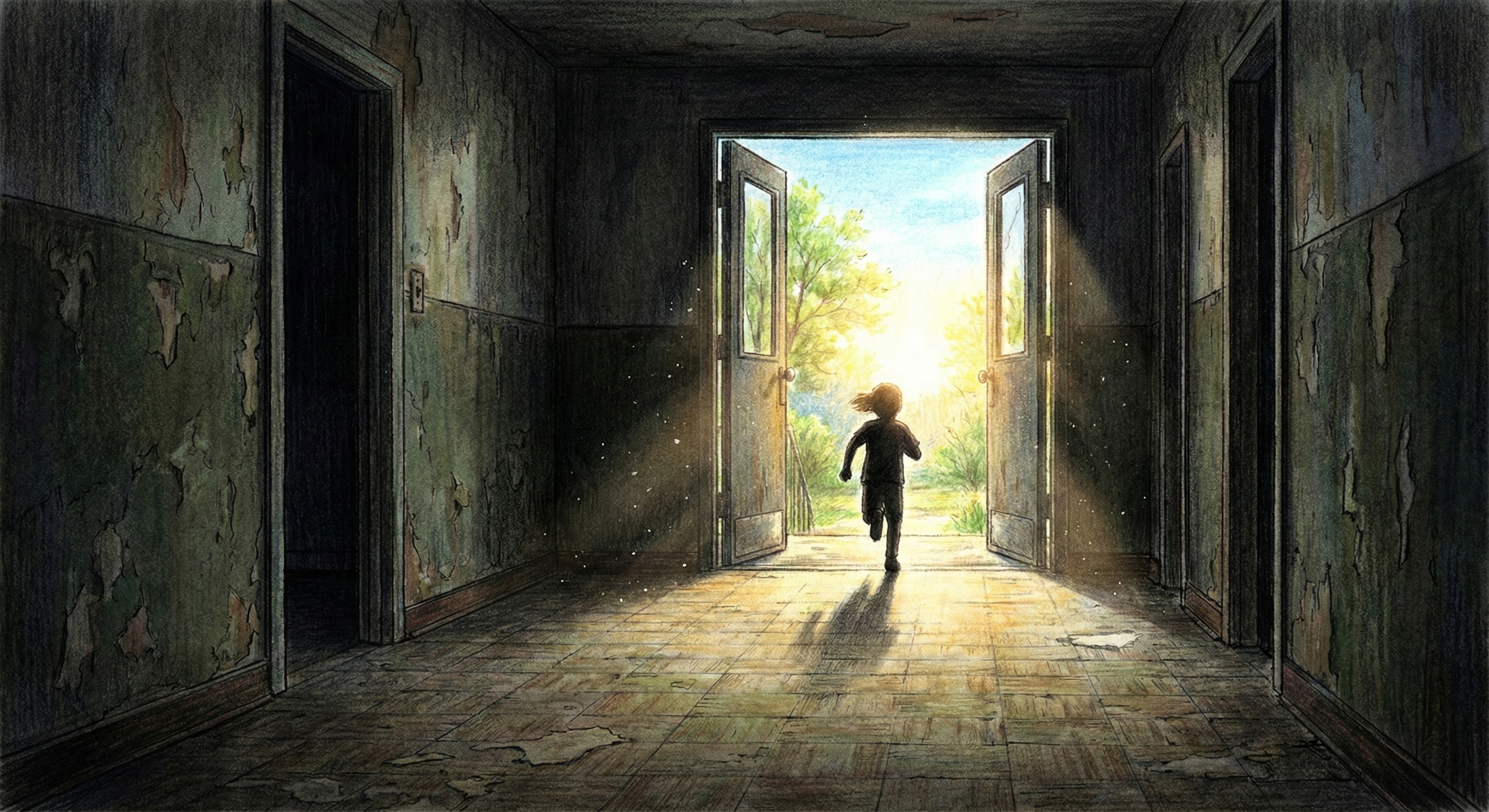
When our team entered the Mahala institution, we saw the human cost of this crisis. The facility was pushed beyond its breaking point. It was dilapidated and dimly lit, but the physical decay was secondary to the systemic collapse we witnessed inside.
Our visit took us through three distinct rooms, each revealing a different face of the tragedy.
The Silence
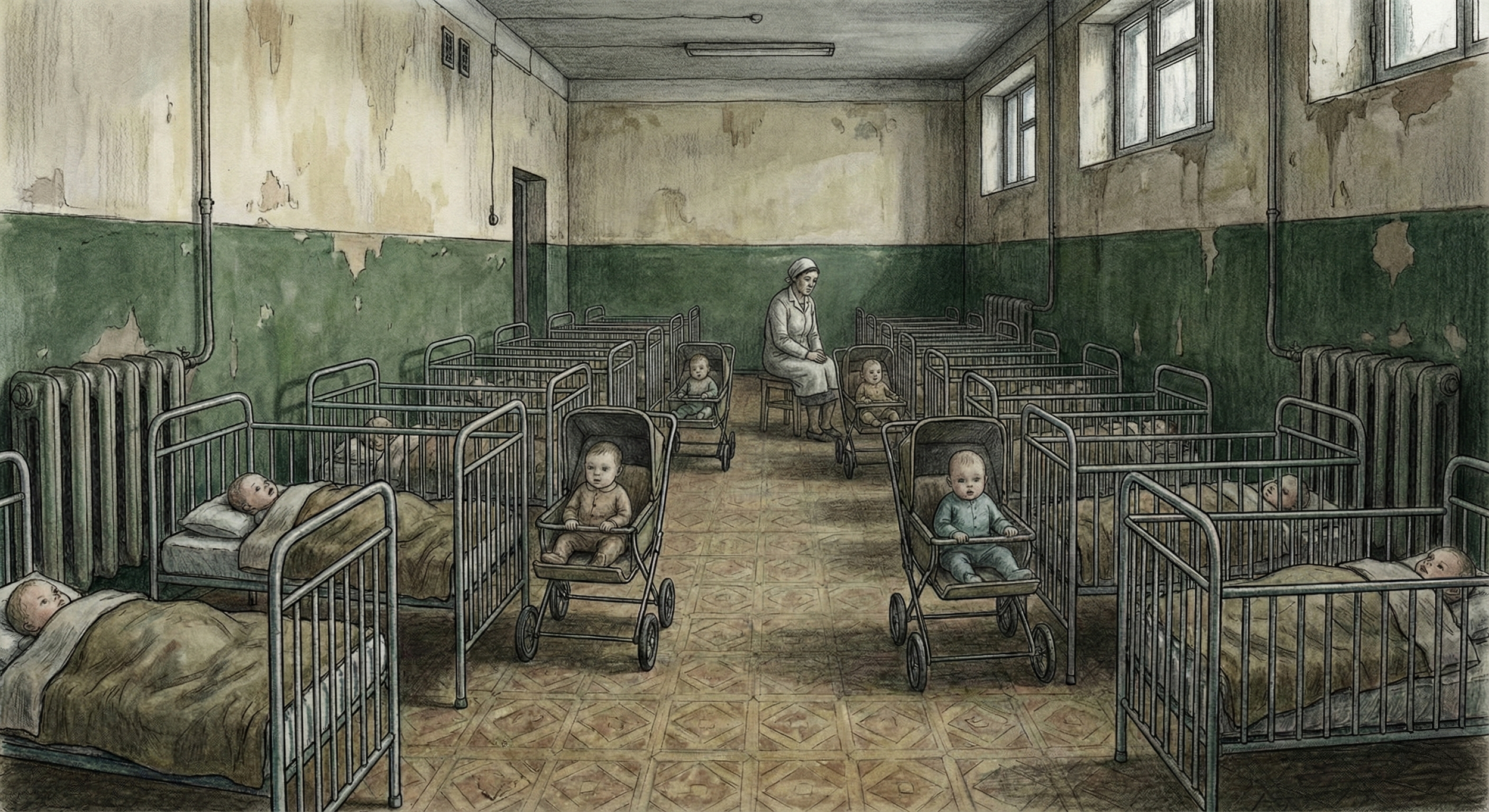
The first room was defined by its stillness. Here, we found a row of beds occupied by young children who were immobile and non-verbal. Many appeared to be living with severe developmental challenges like Fetal Alcohol Syndrome.
They lay in the semi-darkness, staring at the ceiling. The silence was unnatural for a children's ward. Watching over them was a single caretaker, exhausted and stretched thin, trying to care for a dozen children who needed one-on-one attention just to survive.
The Isolation
The second room contained a different kind of heartbreak. Here, there was just one boy, alone.
Unlike the children in the first room, he was eager to connect. He was verbal, bright, and fully able to chat with us. However, he had a physical disability that prevented him from walking. Because the facility lacked the resources for rehabilitation or proper integration, he was isolated in a separate room. He was a prisoner not of his mind, but of his circumstances—a social child left in solitary confinement simply because he could not walk out the door.
The Chaos
The third room was a stark contrast to the silence of the first two. It was a classroom packed with boys under the age of 18, all living with various disabilities. The energy was frenetic and overwhelming.
In the middle of this whirlwind stood a single woman. She was not teaching; she was barely holding back the tide. She was responsible for the safety and care of the entire group, working for a salary that we learned was often as low as $200 a month. She was a hero, but she was drowning.
Throughout the tour, our founder, Zhanna, maintained a professional composure, asking questions and assessing needs. But the moment the heavy doors clicked shut behind us and we stepped into the fresh air, the weight of the "Three Rooms" took over.
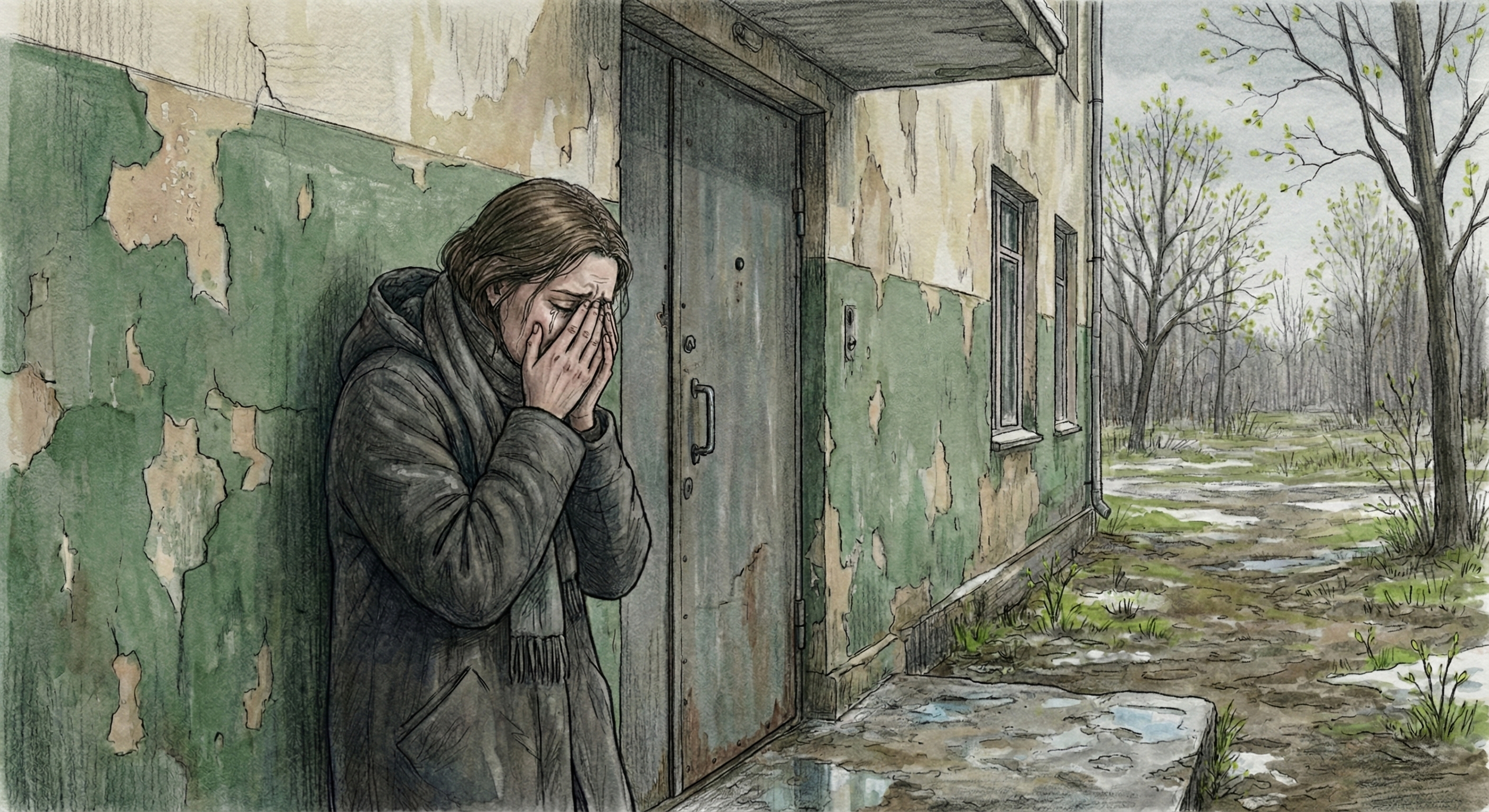
Standing outside the facility, away from the eyes of the staff, she wept. She cried for the immobile children, for the lonely boy, and for the overwhelmed staff trying to hold it all together in the shadow of war.
We dried our tears and went to work. First, we acted as a Stabilizer, funding additional nursing staff to fix the dangerous caretaker-to-child ratios. Then, we partnered with the European Disability Forum (EDF) to deploy a team of therapists and social workers to begin intensive rehabilitation.
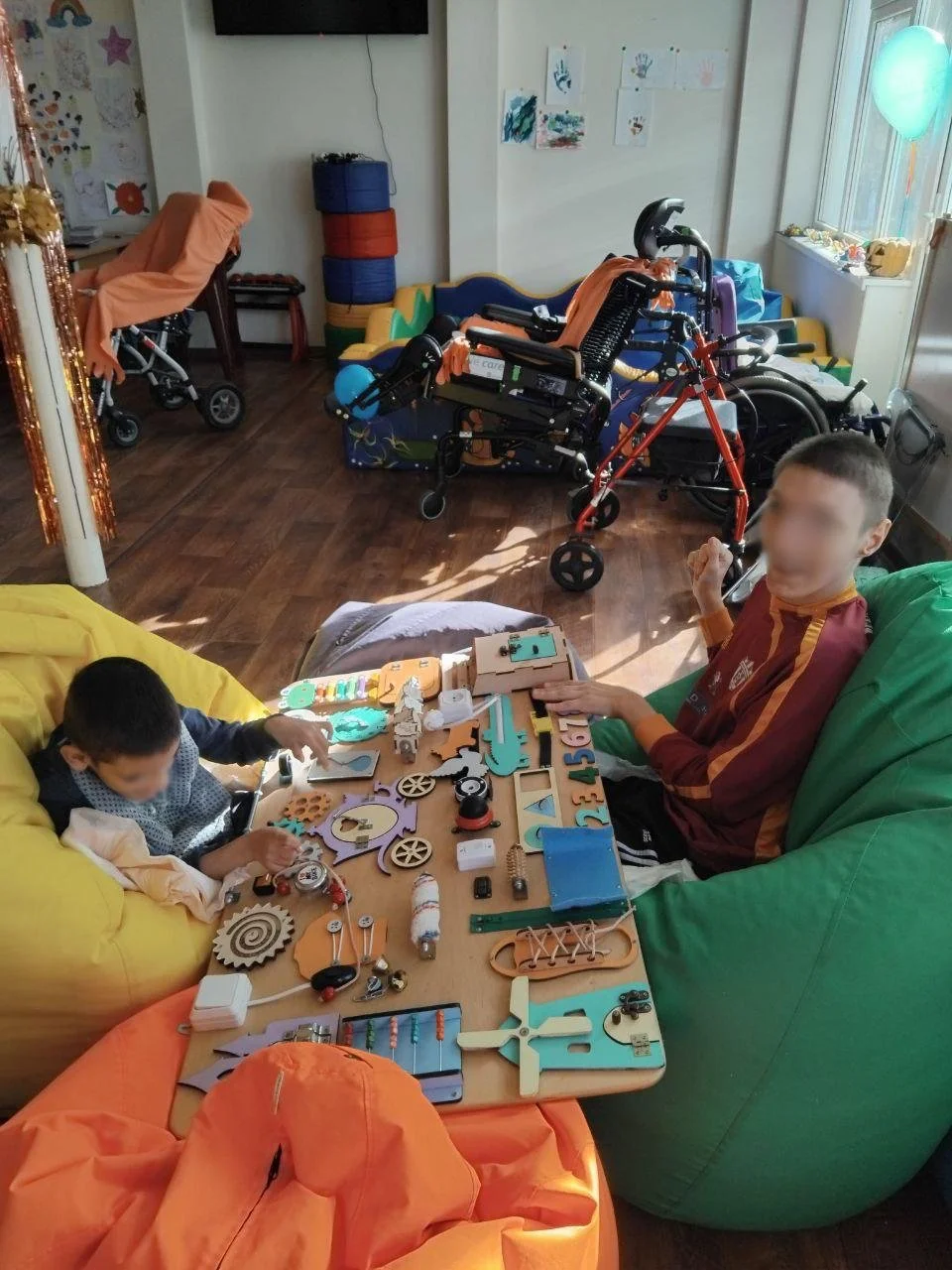
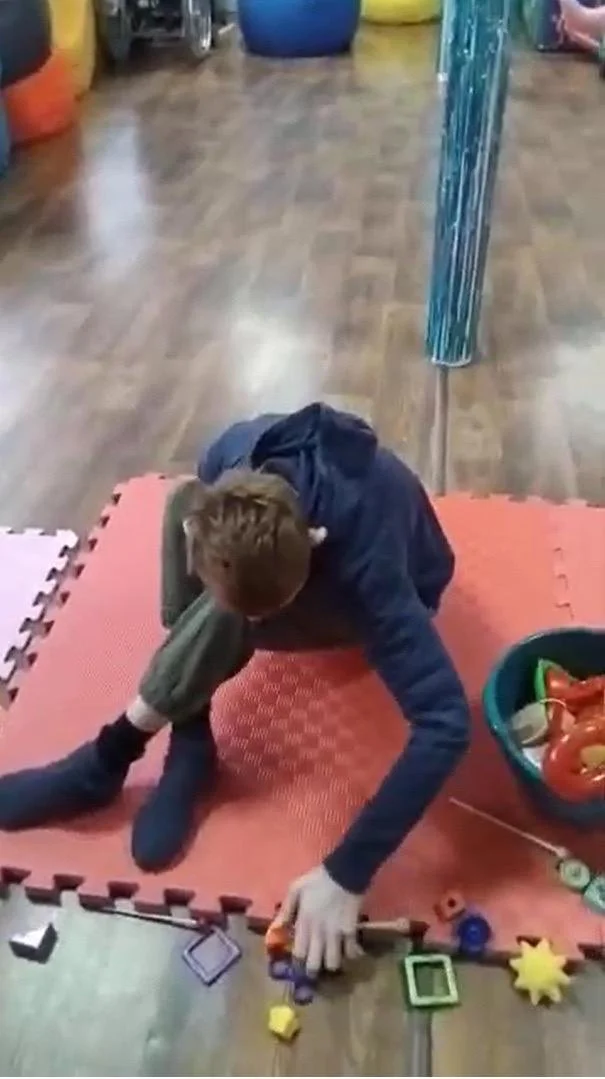
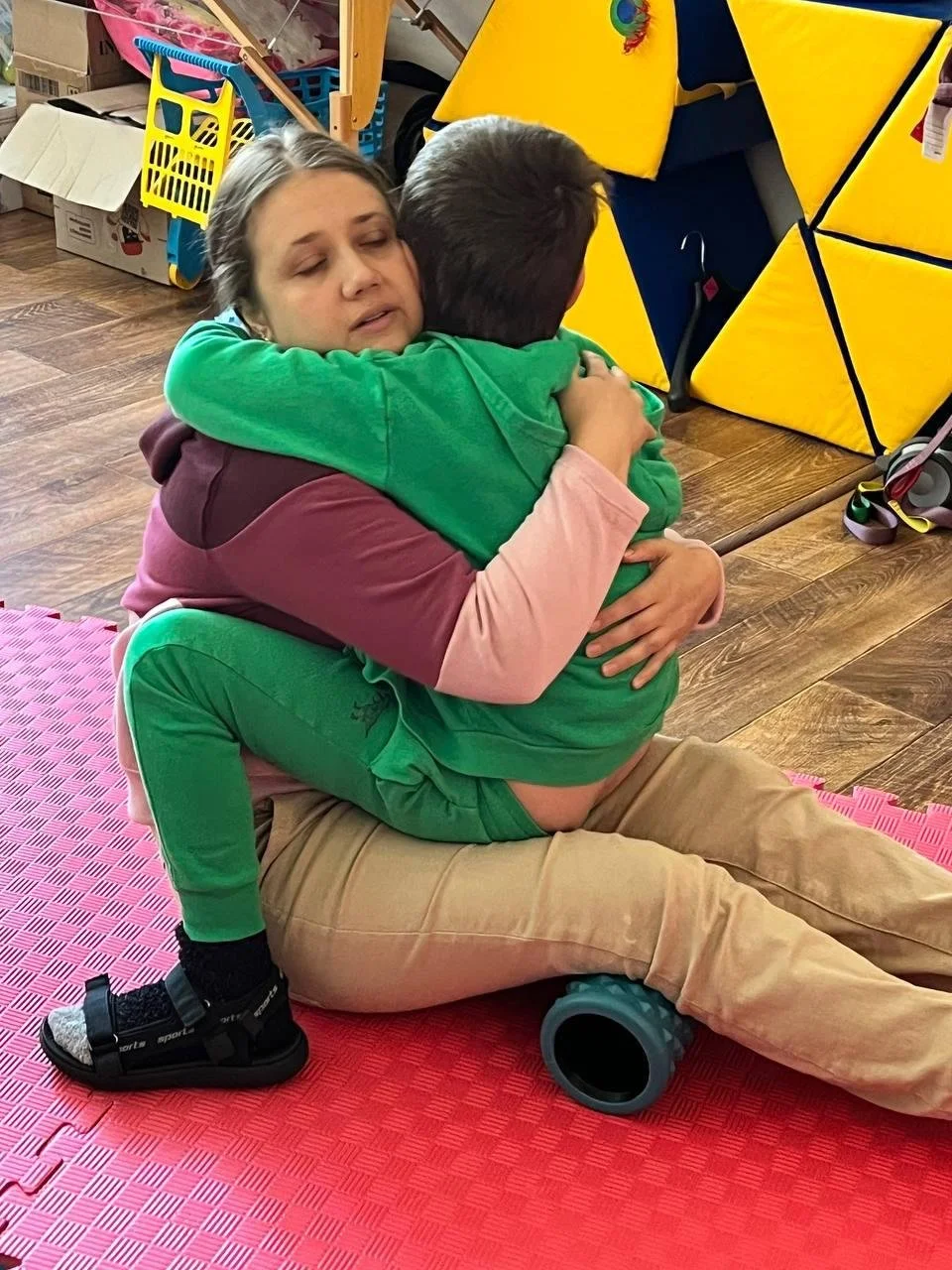
The goal was critical: to catch these children up developmentally. For years, these children had been starved of the basic building blocks of humanity. The therapy was designed to flood their world with the interactions they had missed. It wasn't just about medical care; it was about human connection—purposeful touch, constant talking, eye contact, and movement. The therapists got on the floor and rebuilt the children's social world from the ground up.
The result was not just medical; it was magical.
As the children received the interaction they had been denied, a transformation took place. The "great success" wasn't just that they learned to walk or run—it was that they learned to be.
Though they lived with disabilities and had suffered immense neglect, we found no anger, hate, or violence in them. Instead, they became beacons of pure joy. Friendships formed between children who had once been isolated in their beds. They began to speak, to play, and to express themselves.
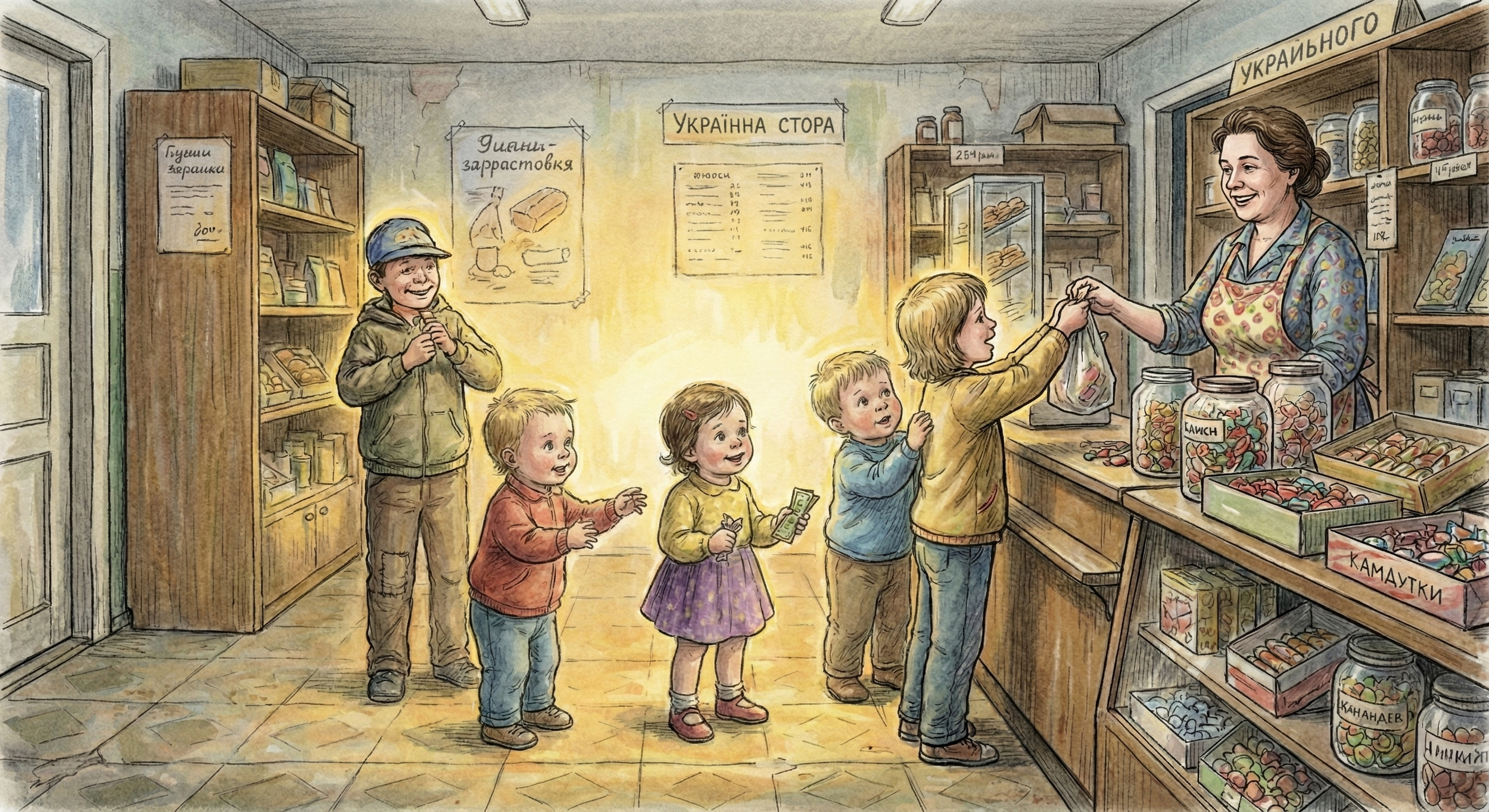
The world opened up. Children who had never left the facility started taking trips to the local convenience store, proudly buying candies with their own hands. They showed love to everyone they met, bringing a contagious energy to a place that had once been defined by silence.
The Handover The program's success proved that this facility could be more than a warehouse. Impressed by the stabilized structure and the flourishing children, UNICEF has now stepped in to adopt the program. They are providing the long-term funding and oversight needed to sustain this progress.
We found a facility on the brink of collapse. We left a community full of love. Our work at Mahala is done, but for those children, the door to a better life has finally opened.