
The Invisible Lifeline: Securing Dnipro Children’s Hospital
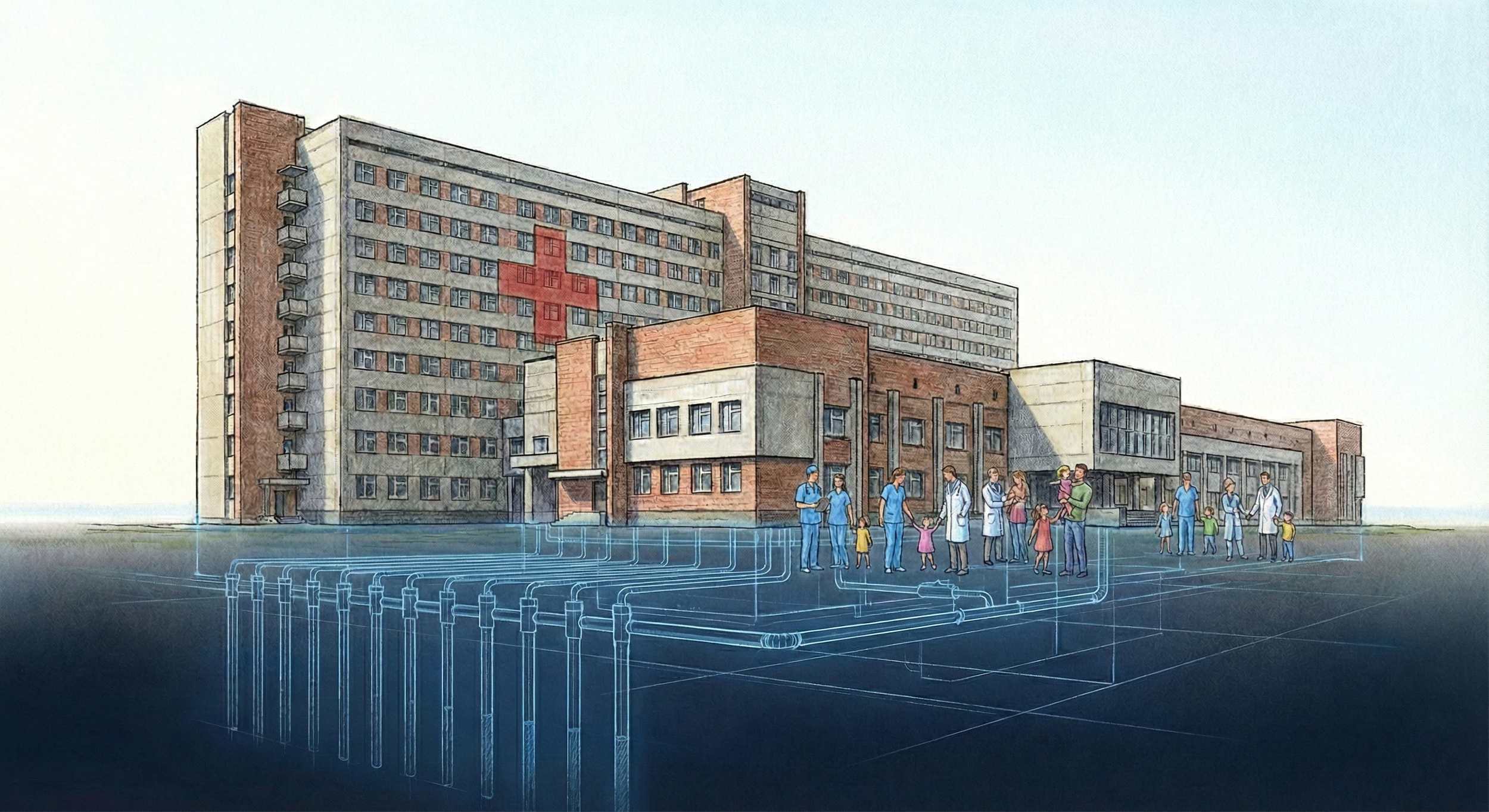
The most important sound at the Dnipro Children's Regional Hospital wasn't the beep of a heart monitor; it was the rumble of the water truck arriving in the courtyard.
For the staff serving 241,000 children and mothers annually, the main taps had gone dry. The hospital’s connection to the municipal grid had failed, severing the facility from its primary water supply.
To keep the hospital running, they established a rigorous logistical rhythm. Water was trucked in daily to fill reserves and feed temporary washing stations throughout the facility. Surgeons preparing for operations scrubbed in at these stations, maintaining sterile protocols through sheer discipline and resourcefulness.
While the hospital remained operational, the situation was precarious. A major medical fortress was effectively running on a daily delivery schedule. They were walking a logistical tightrope: any disruption to the trucks—whether from mechanical failure or the volatile conditions of the war outside—would jeopardize the strict hygiene standards required for patient care.
The Strategy: Infrastructure Resilience We stepped in to end this vulnerability. We didn't just want to fix the pipes; we wanted to ensure the hospital possessed the security to operate regardless of external logistics.
Our strategy was Infrastructure Resilience—a complete overhaul of the facility's life-support systems:
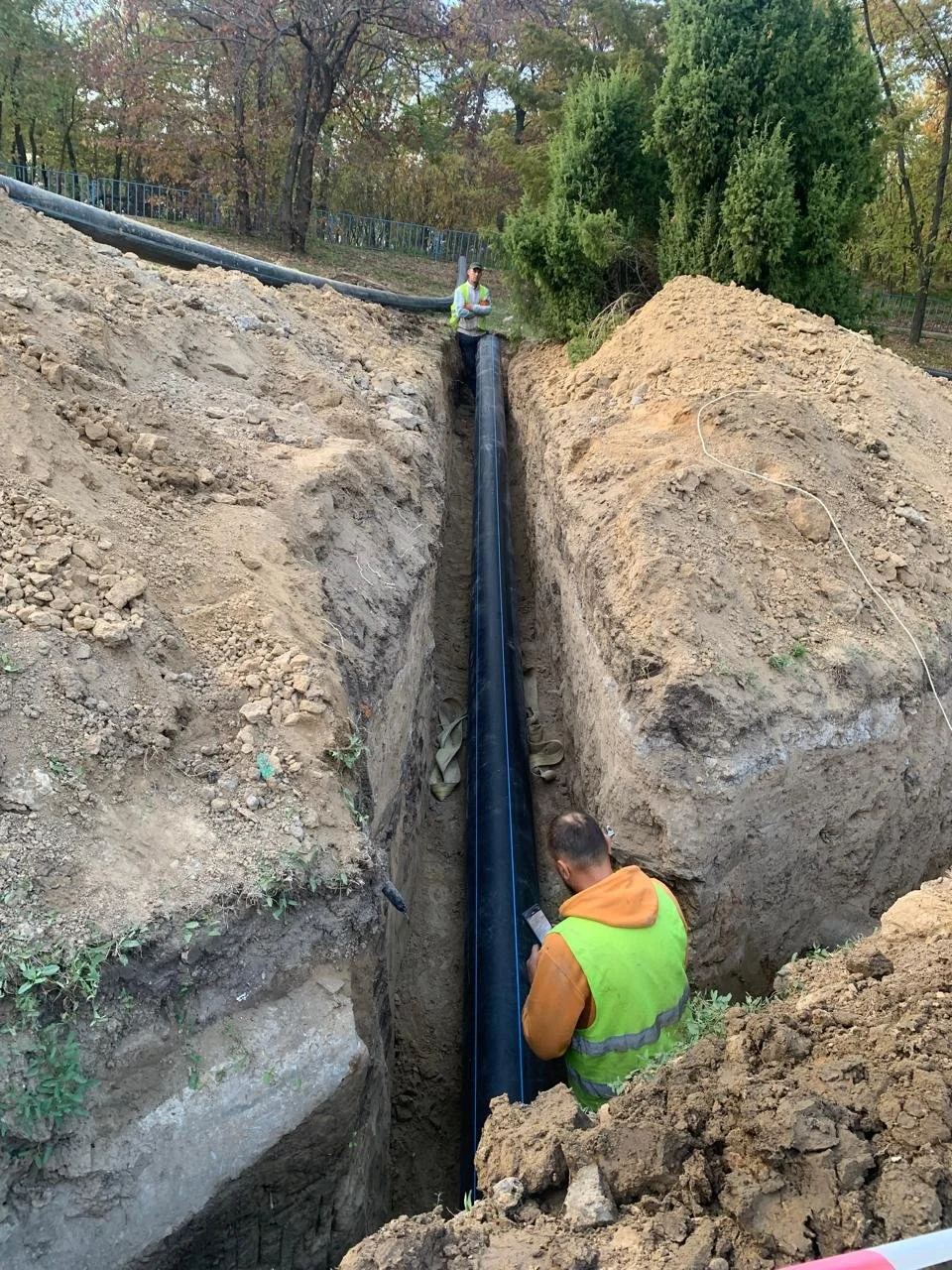
The Excavation: We dug deep into the hospital grounds to locate and replace the shattered mains that had caused the initial collapse.
The Internal Overhaul: We rebuilt the internal plumbing network to ensure that when water did return, the pressure would reach every floor.
The Independence (The Boreholes): Most critically, we drilled deep-water independent boreholes directly on the hospital campus.
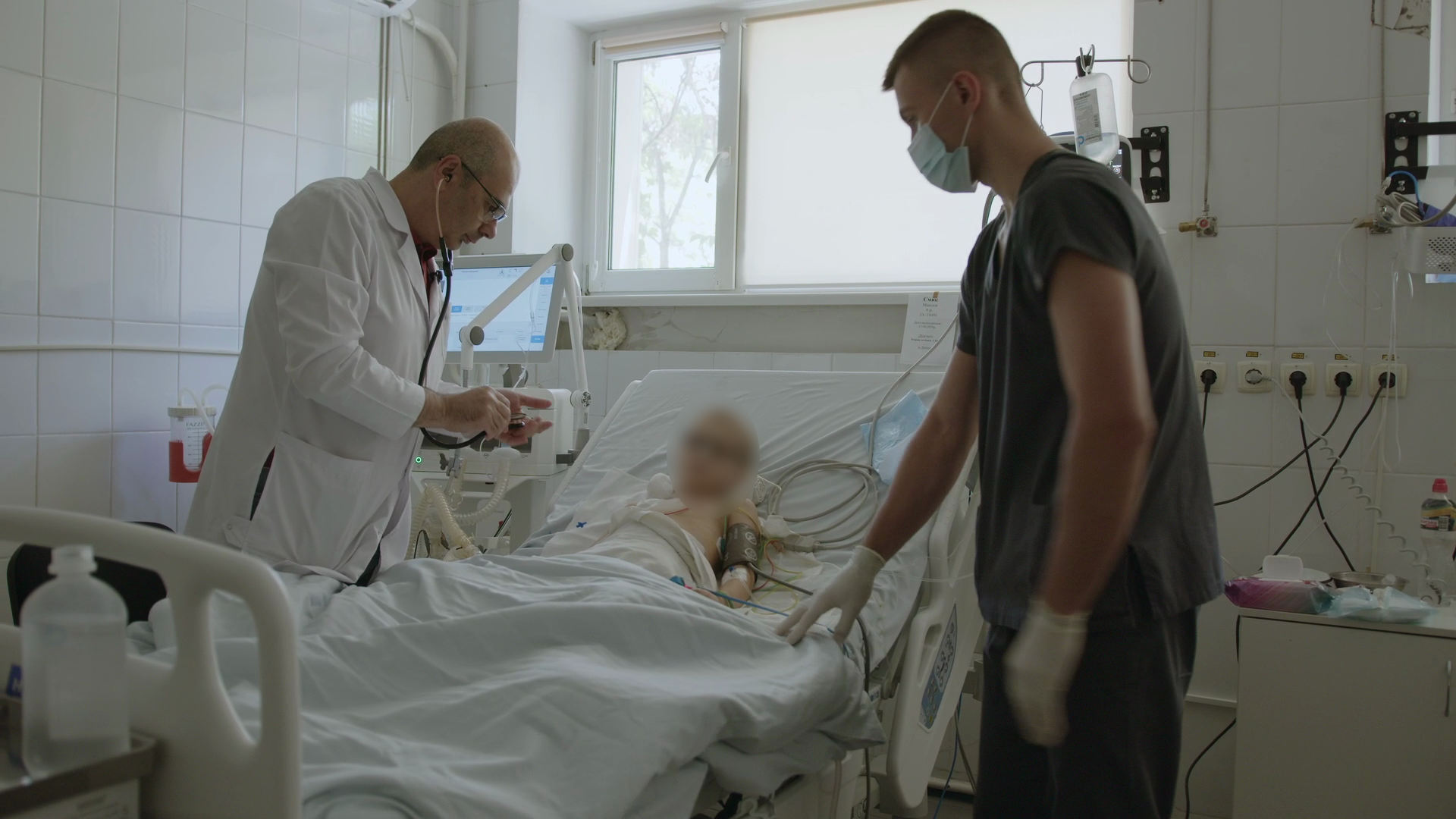
The Result: Autonomy The drilling changed the equation. By tapping into an independent aquifer, we cut the hospital’s reliance on both the crumbling city grid and the daily water convoys.
The trucks stopped coming. The temporary stations were packed away. Today, when a surgeon needs to scrub in, they turn on the main tap, and the water flows—clean, pressurized, and limitless.
We took a facility that was managing a daily crisis and gave it total autonomy. Now, the water flows from the ground beneath them, ensuring that the work of saving lives is never threatened by a logistical delay.
