Strategic Sustenance: Deploying 46,000 Rations Across the Eastern Front
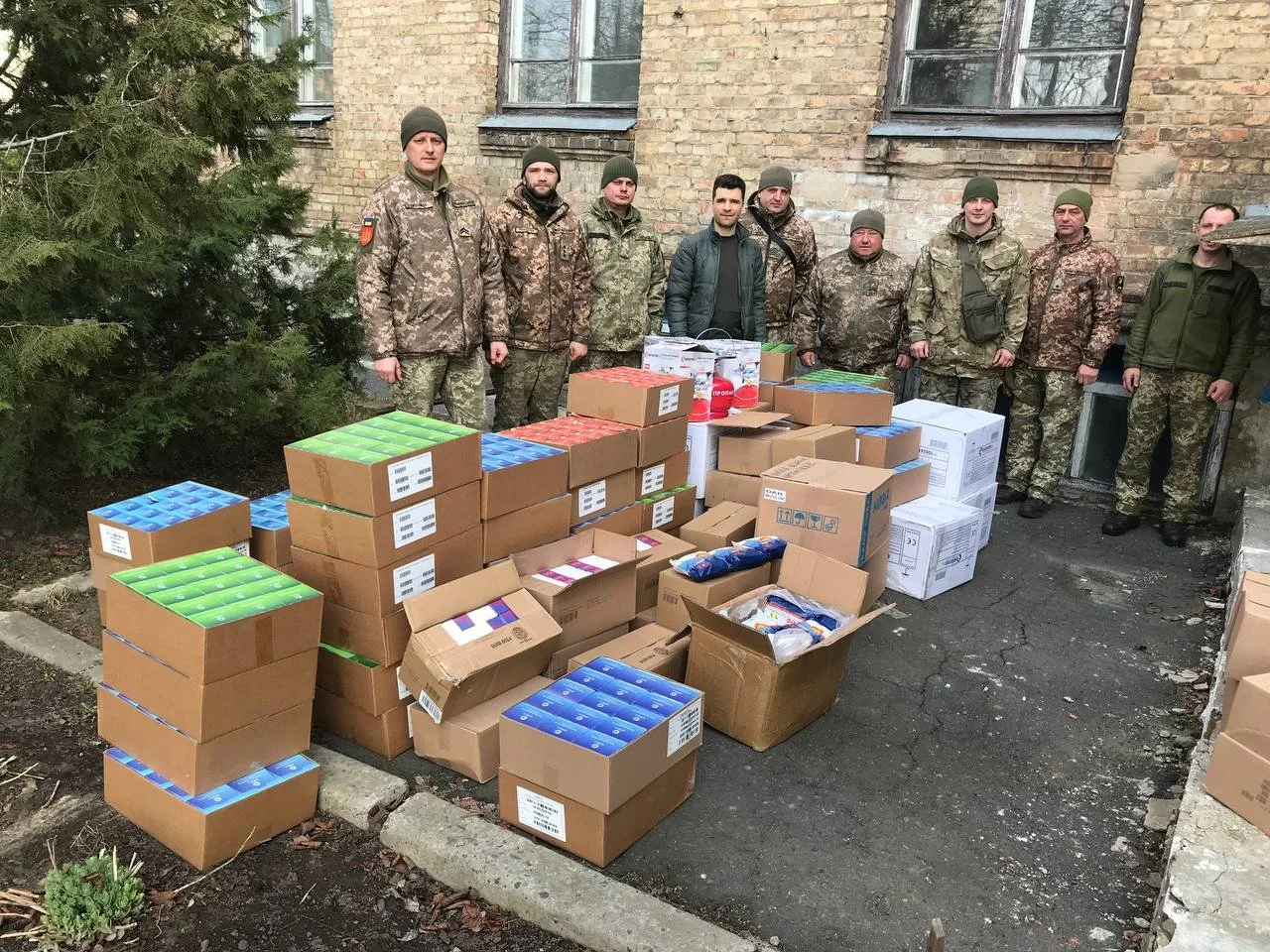
Pillar: Defence | Volume: 46,056 Units | Reach: Bakhmut, Kharkiv, Zaporizhzhia
In the attrition warfare of the Donbas, logistics is the backbone of defense. For the infantry holding the "Zero Line"—the absolute edge of the front—access to nutrition is often irregular and dangerous. Standard field kitchens are high-value targets for artillery, and MREs (Meals Ready-to-Eat) are heavy and often scarce.
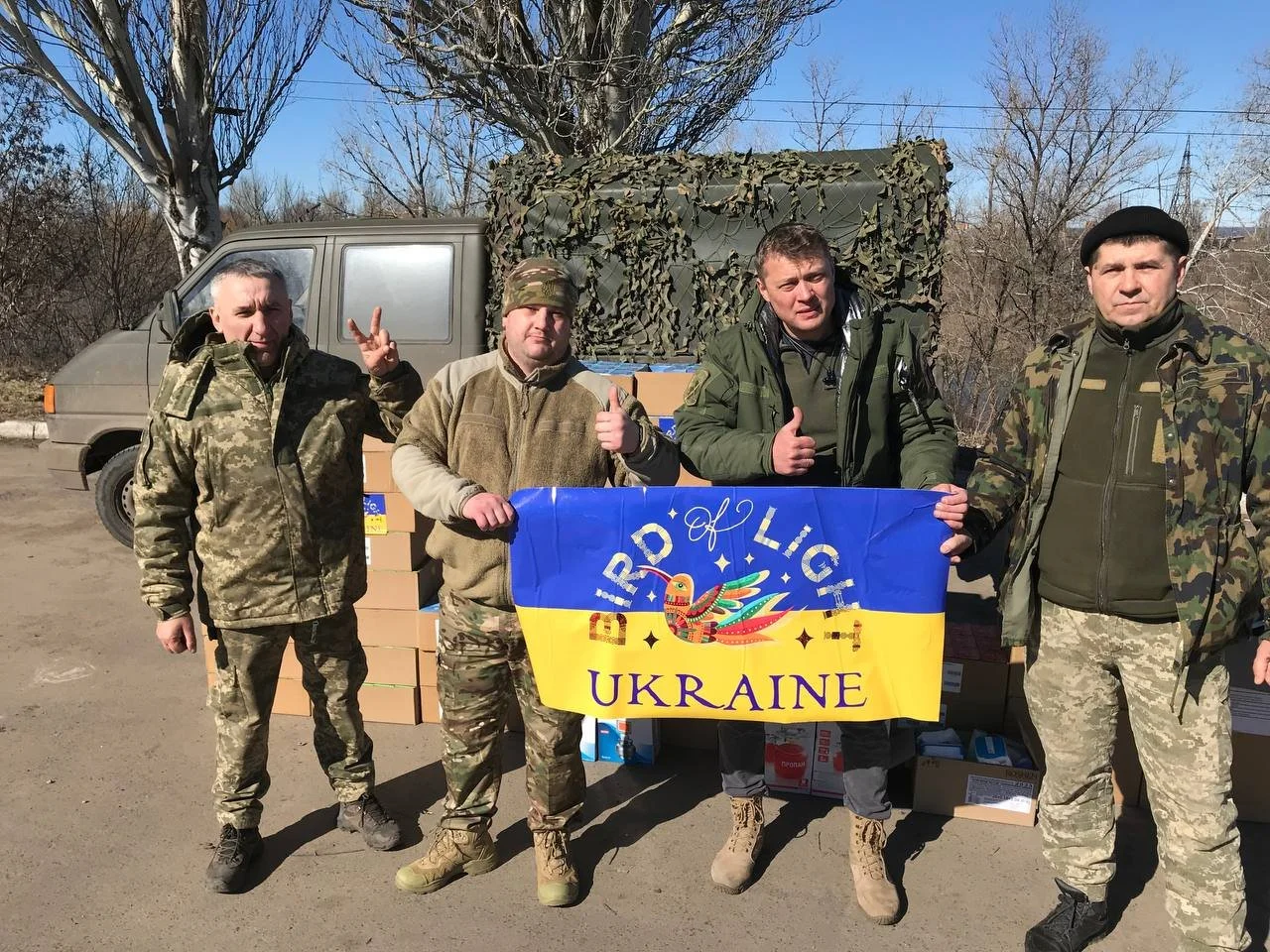
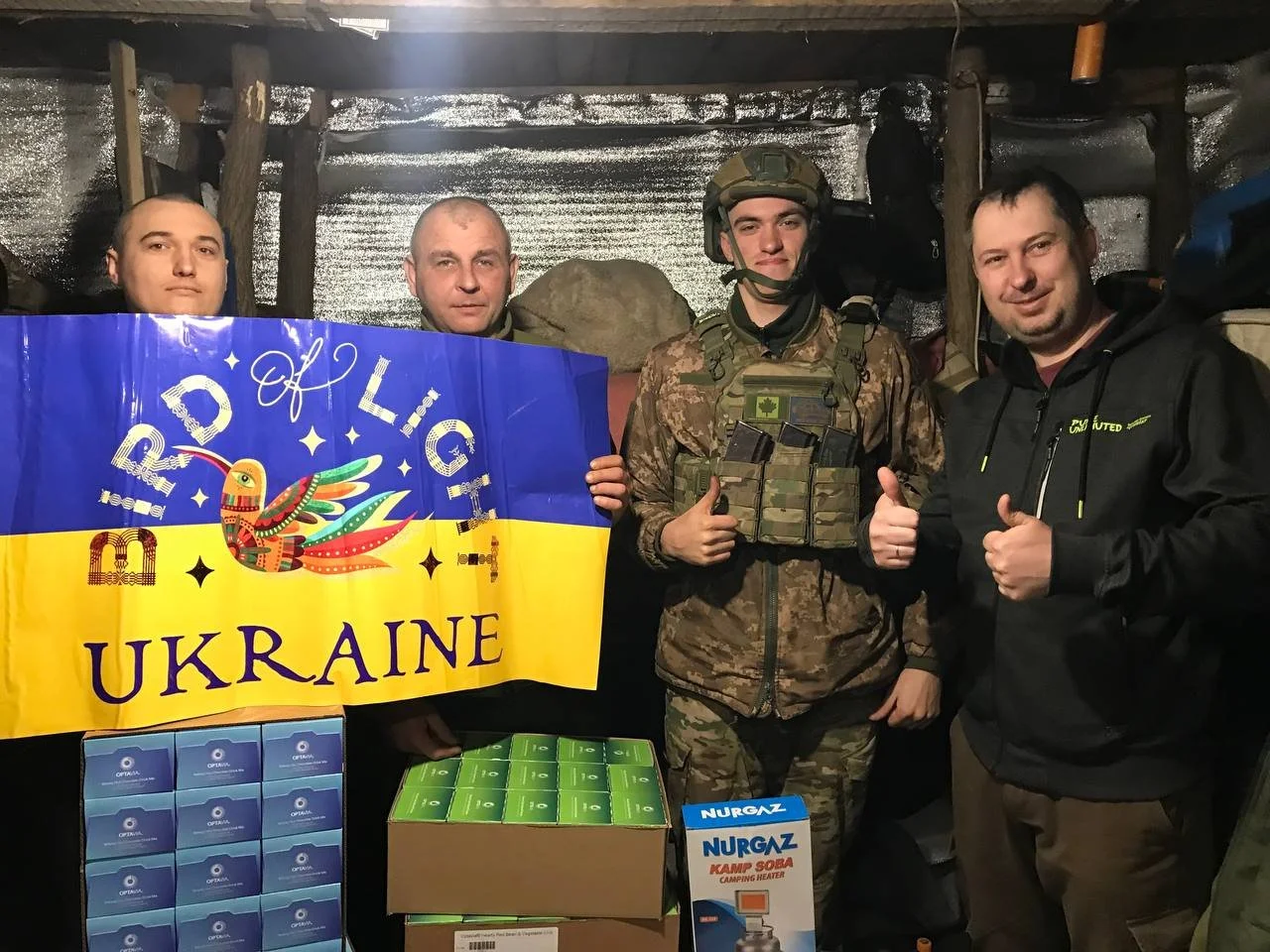
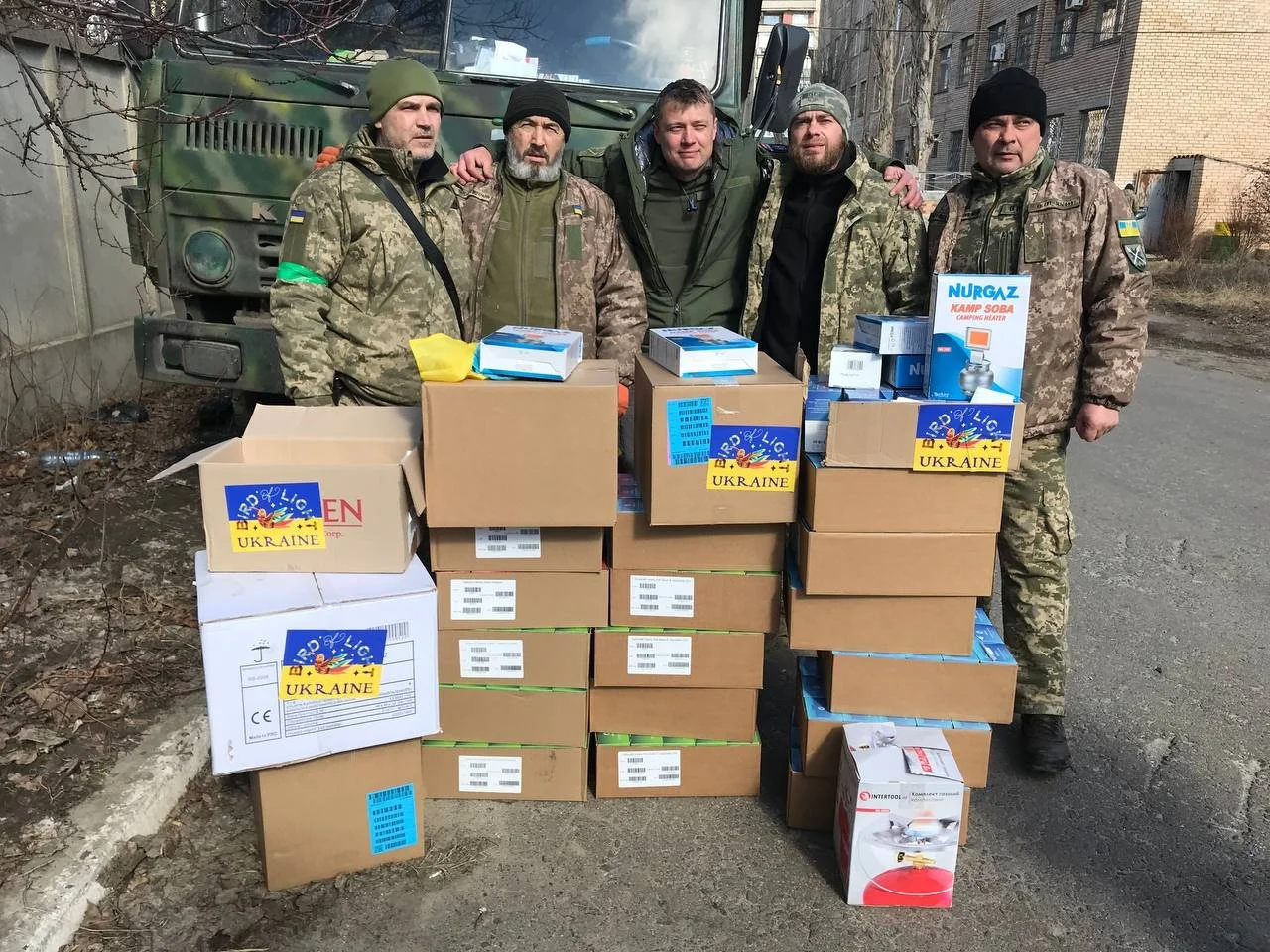
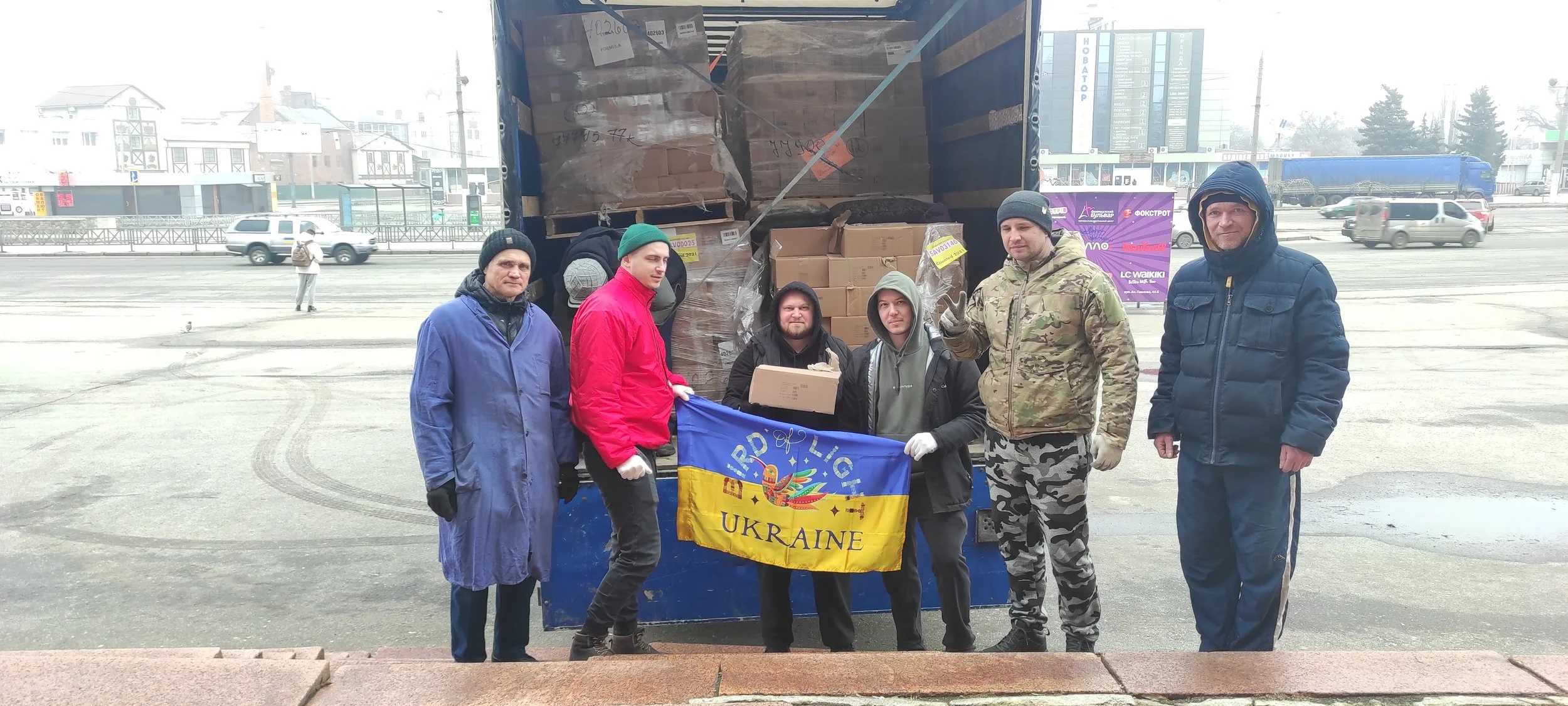
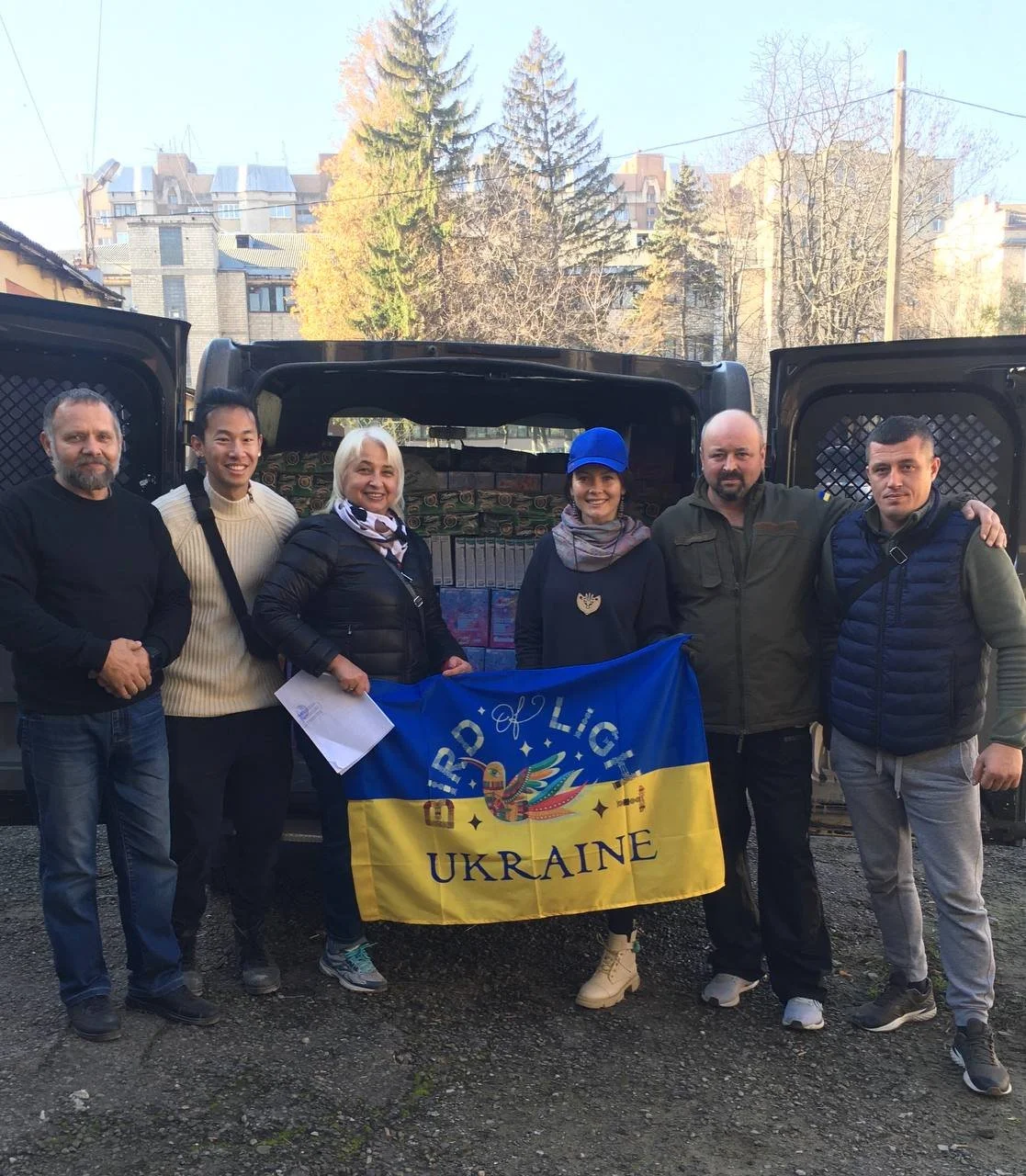
To bridge this gap, our team executed a massive logistical surge, delivering 46,056 high-performance meal packets to the most active sectors of the war: Bakhmut, Kharkiv, and Zaporizhzhia.
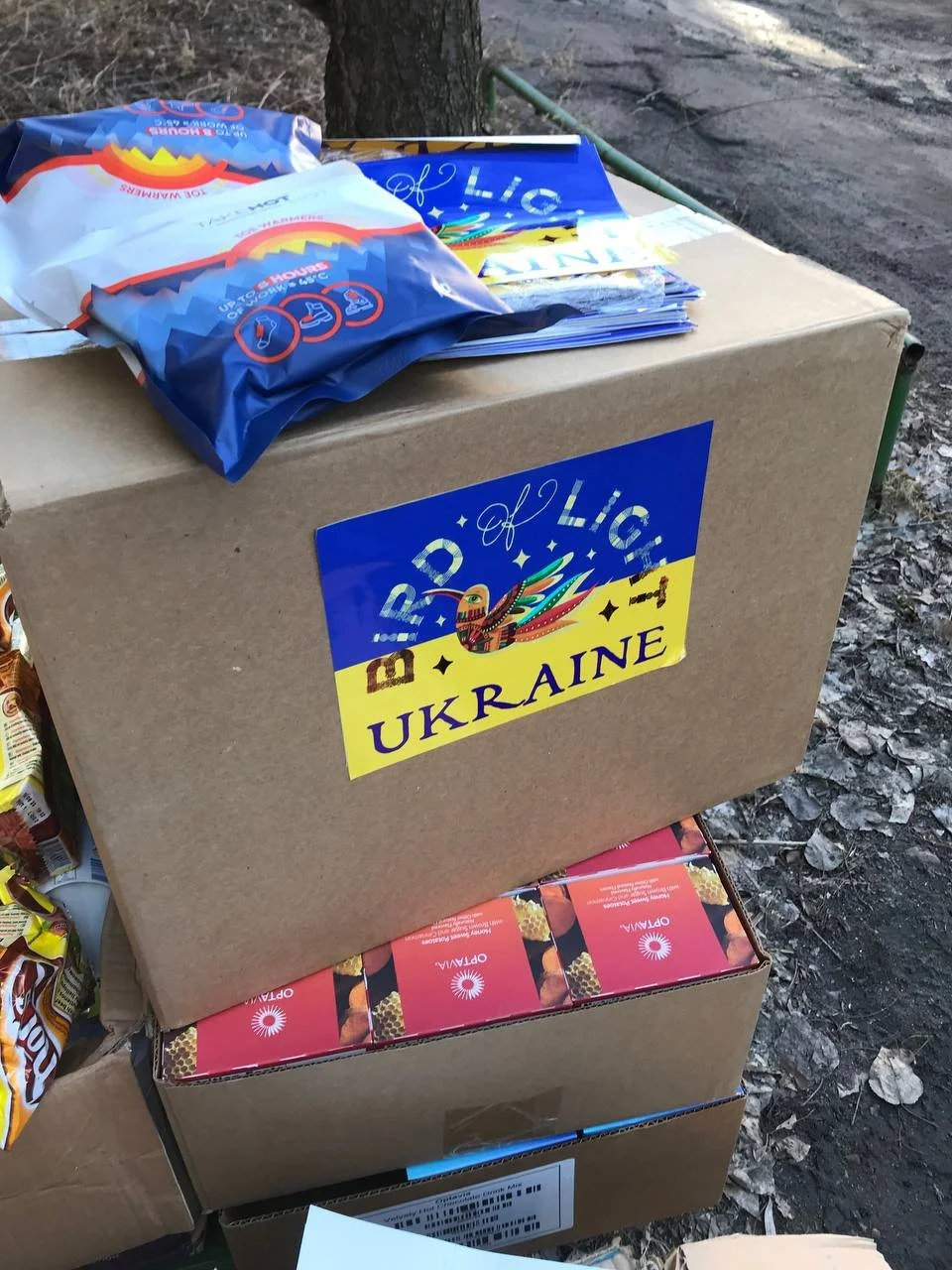
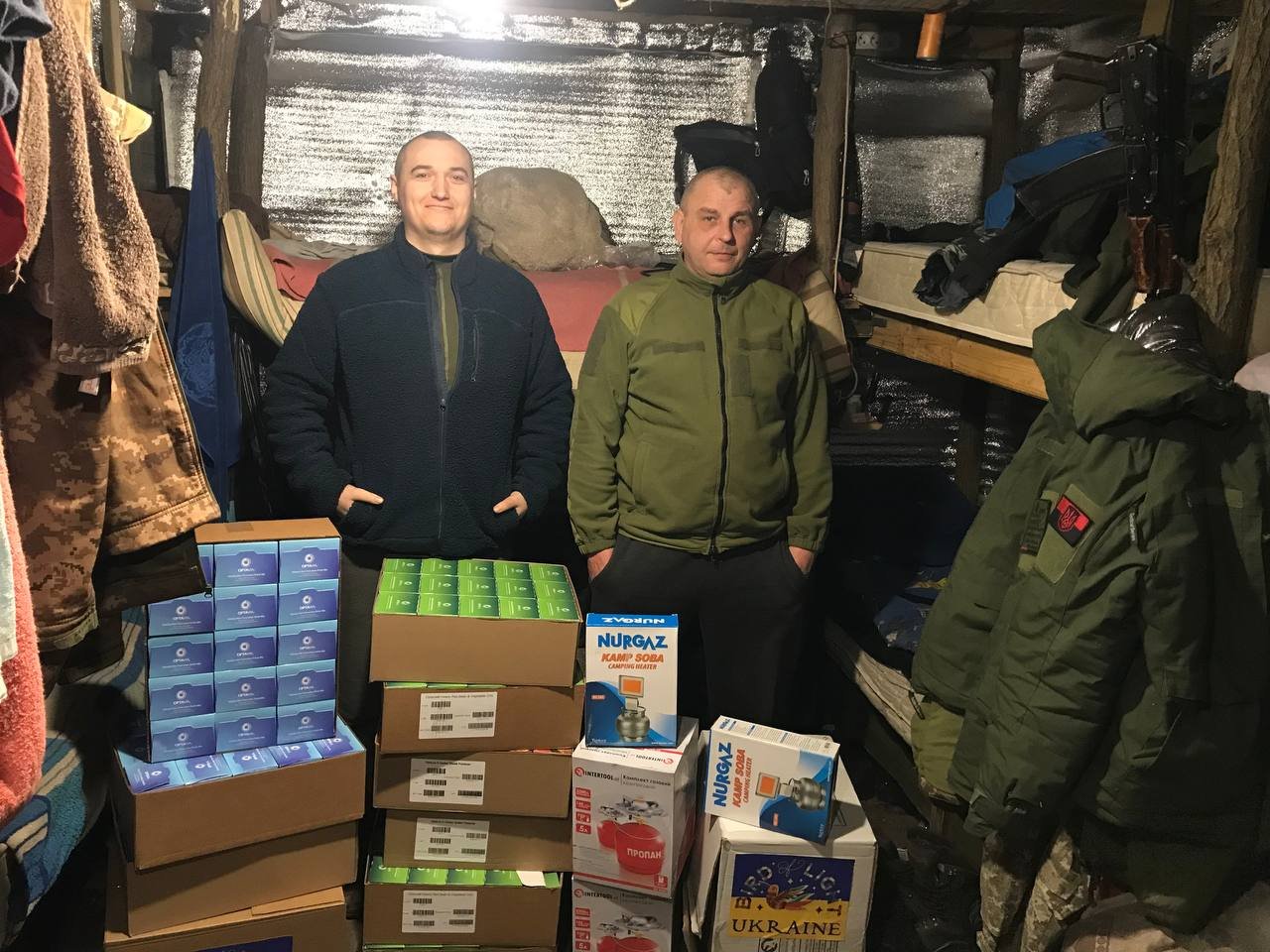
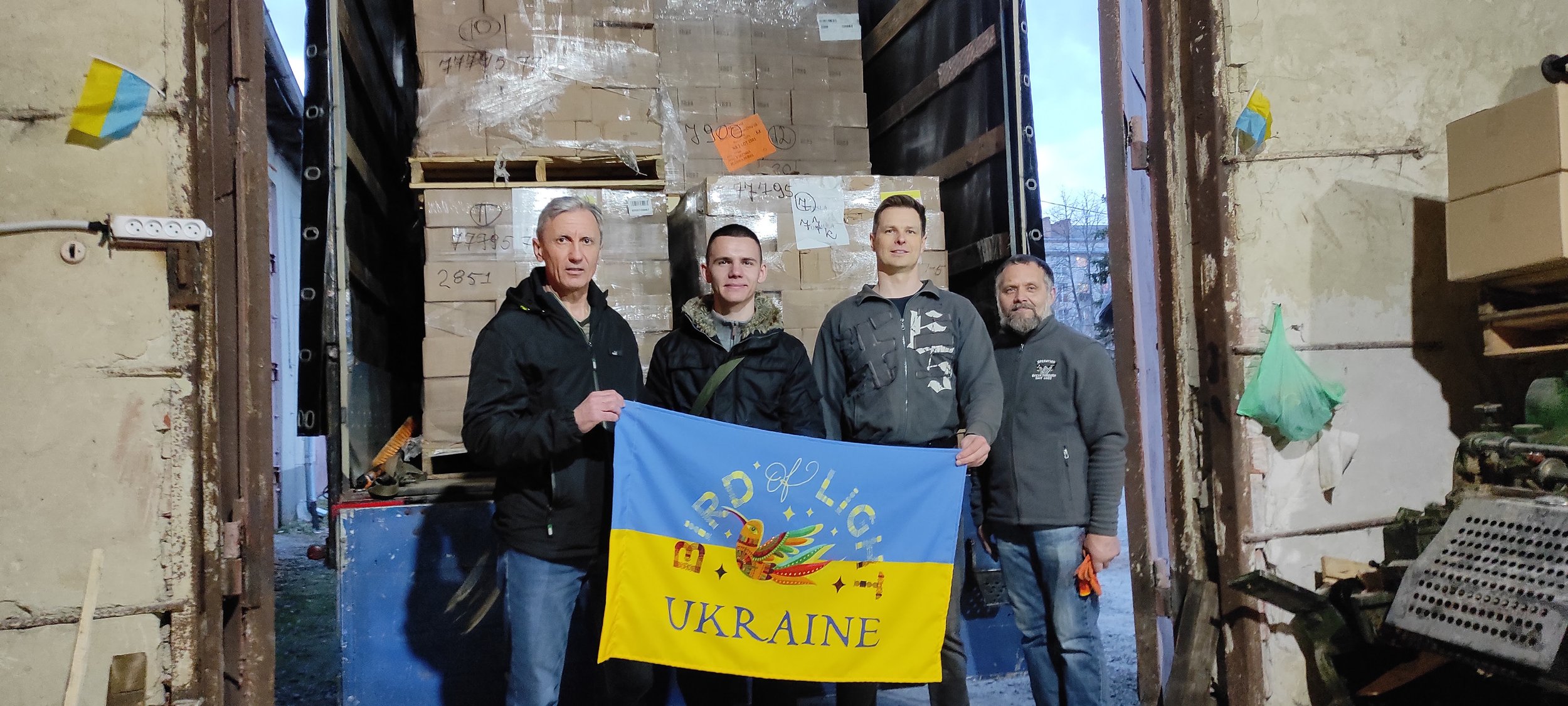
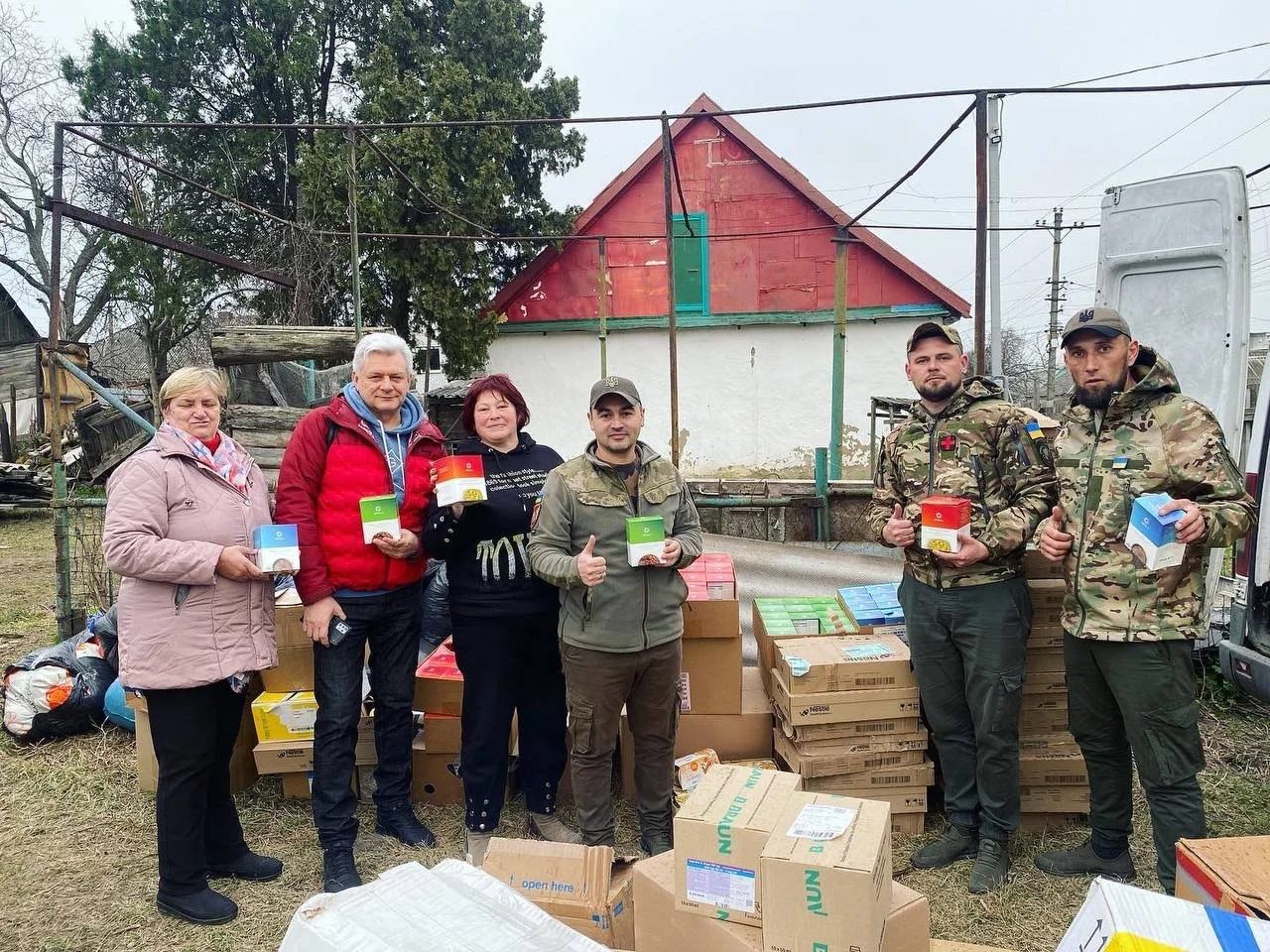
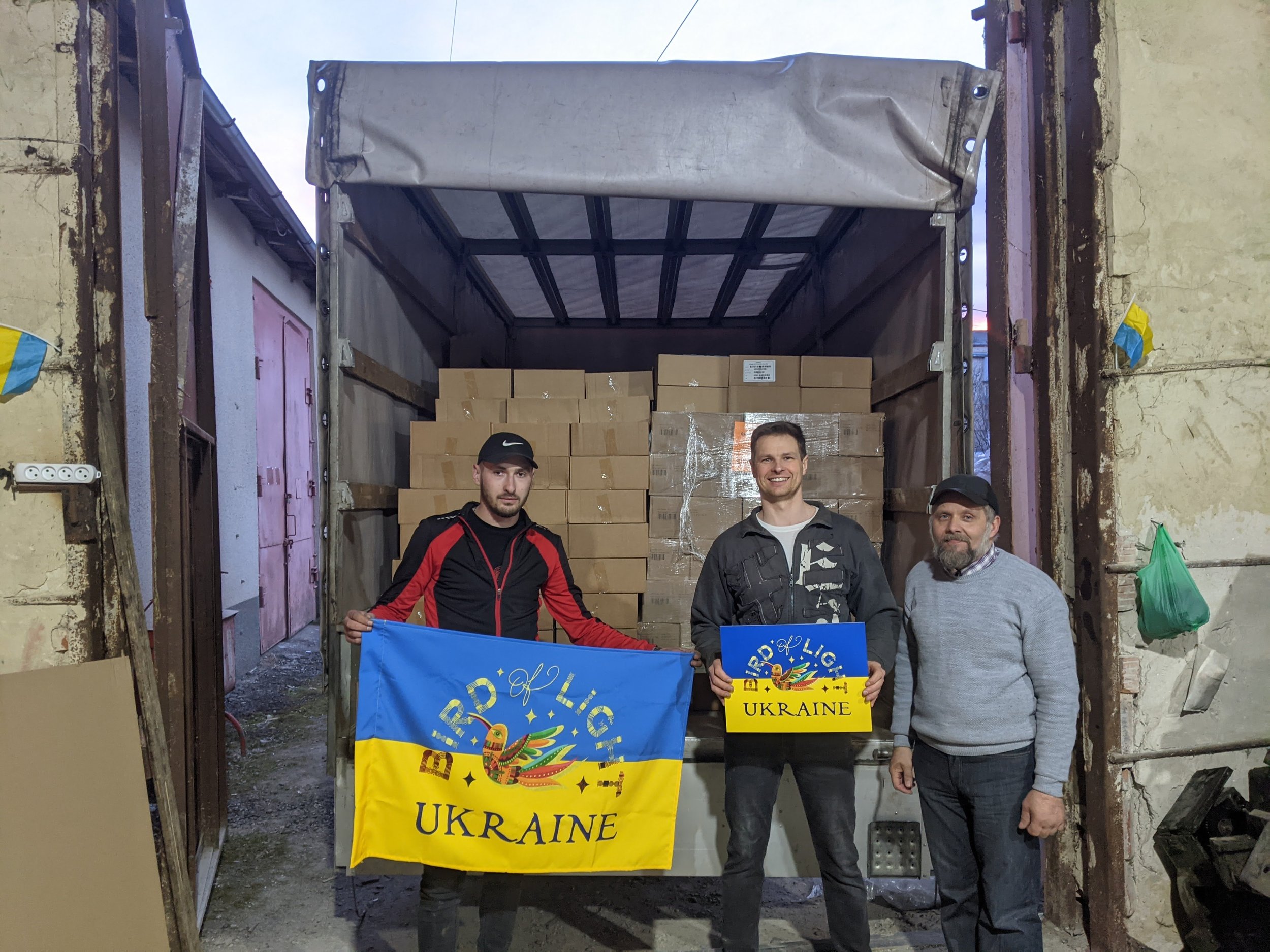
Unconventional Sourcing: The Optavia Pivot We solved a military problem with a civilian solution. Through a strategic partnership with Optavia, we secured three shipping containers of high-end nutritional packs. While designed for the civilian weight-loss market, these packets proved to be accidental tactical assets:
Caloric Efficiency: They are engineered for high protein and nutrient density, providing sustained energy for soldiers carrying heavy loads in high-stress environments.
Logistical Lightness: Unlike bulky canned goods, thousands of these packets can be transported in a standard van, allowing our volunteer drivers to run supplies into "Grey Zones" where heavy trucks cannot go.
Tactical Advantage: The "No-Smoke" Hot Meal In the trenches of Bakhmut, lighting a fire to cook is a tactical error. Smoke signatures attract enemy drone fire and mortar strikes.
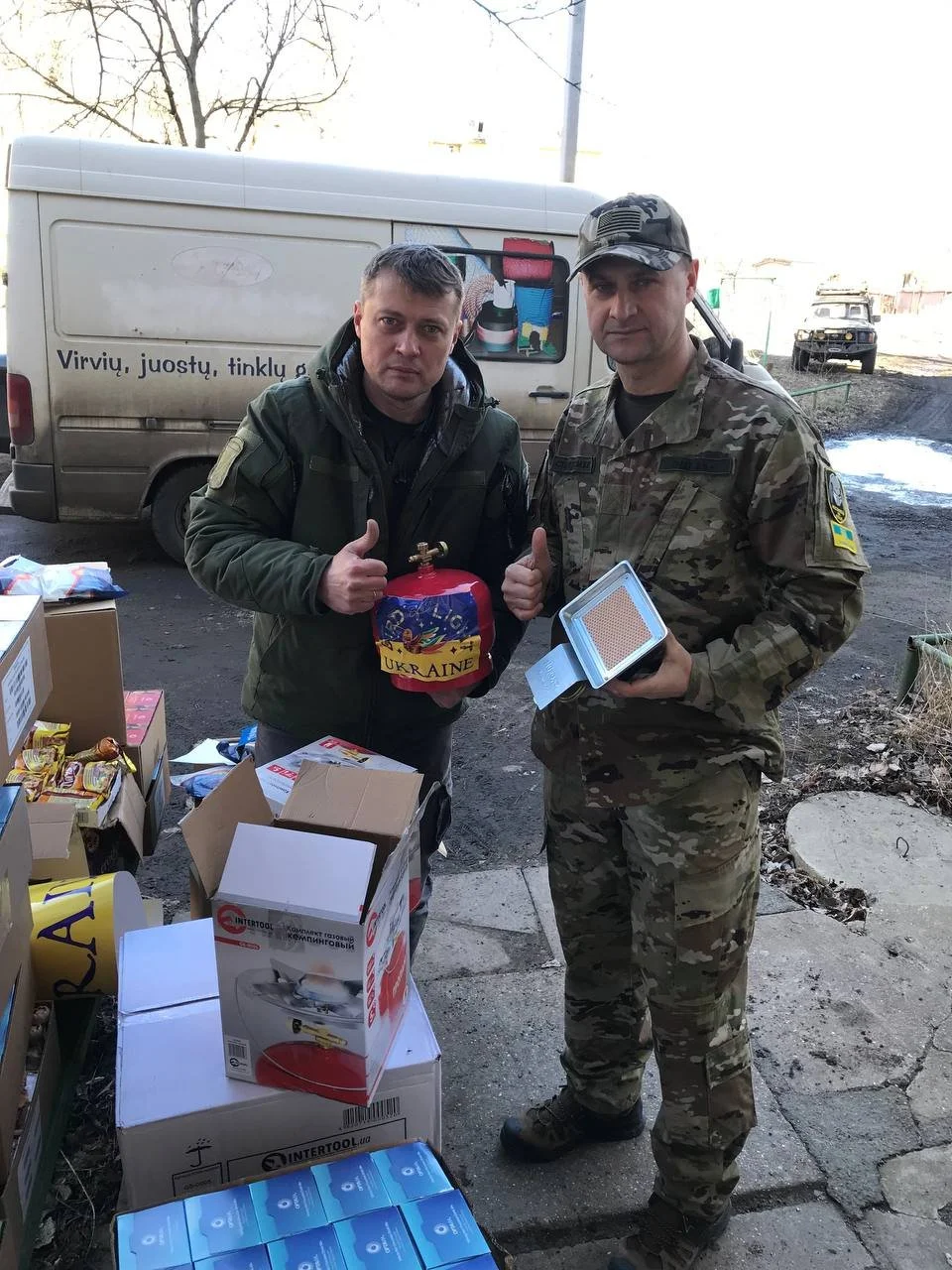
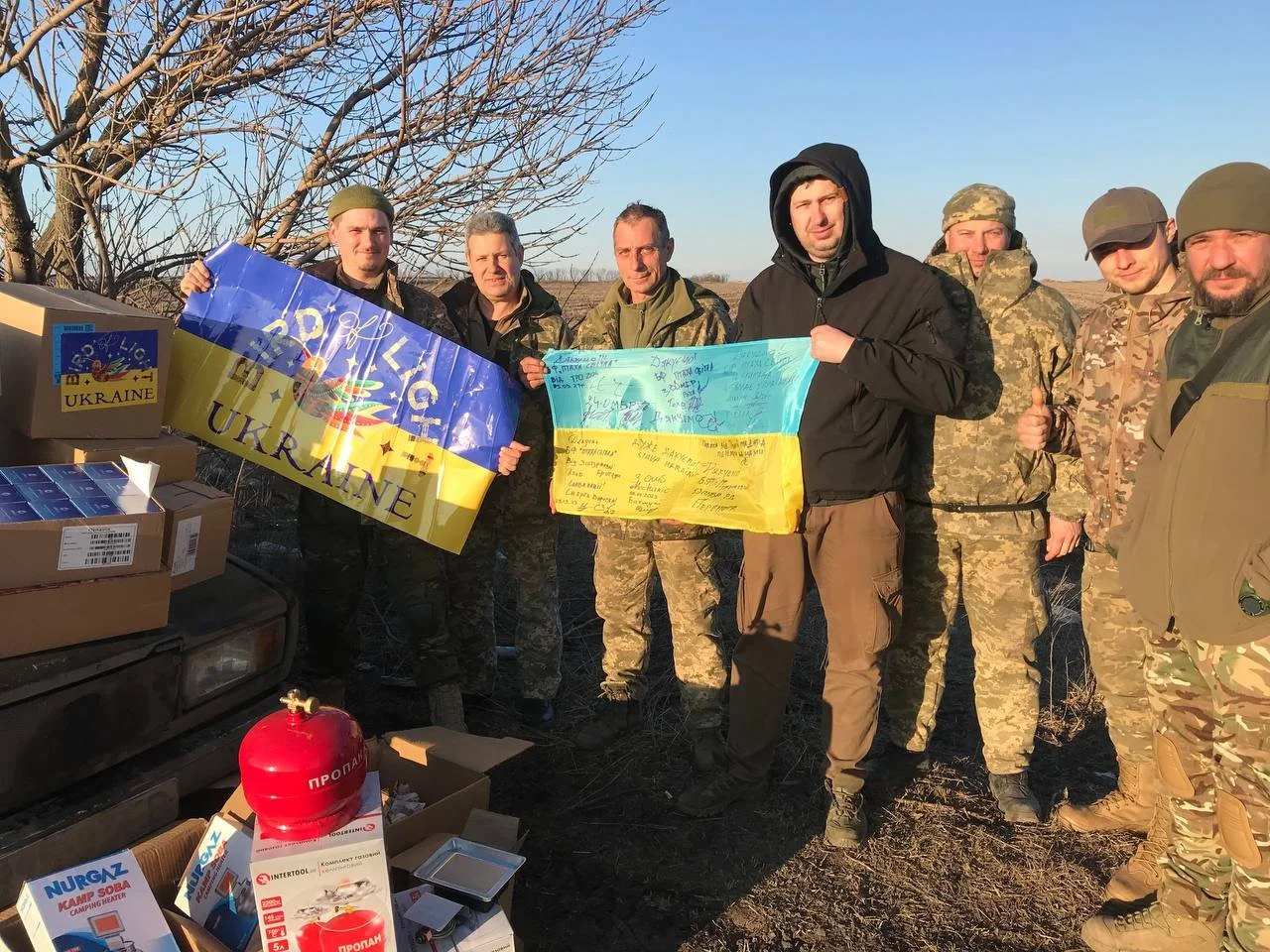
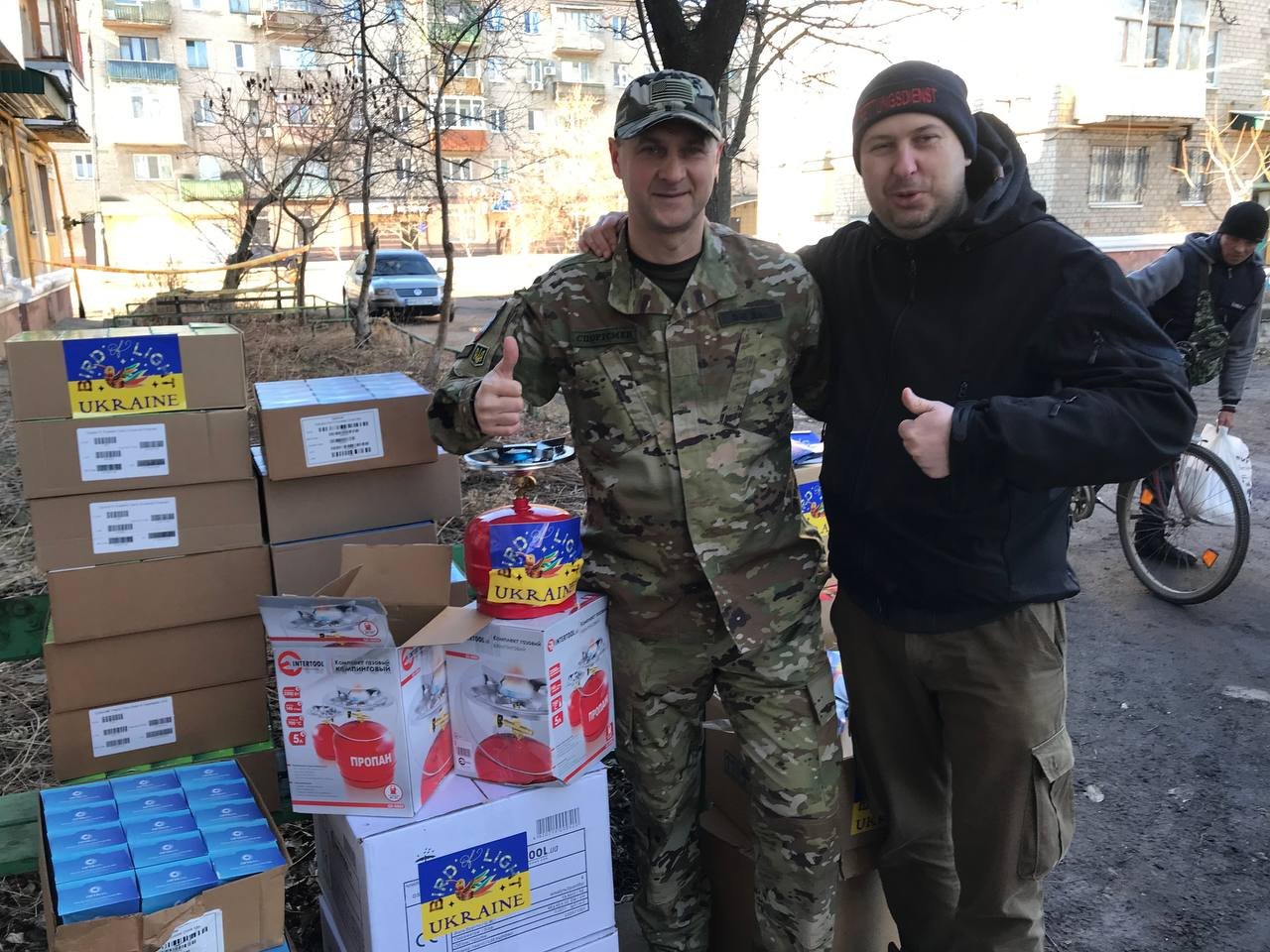
We didn't just send food; we sent a system. By pairing these water-activated meals with our propane heating units, we gave soldiers the ability to prepare a hot, morale-boosting meal in minutes with zero smoke signature. This simple pairing allowed units to stay fed without revealing their positions.
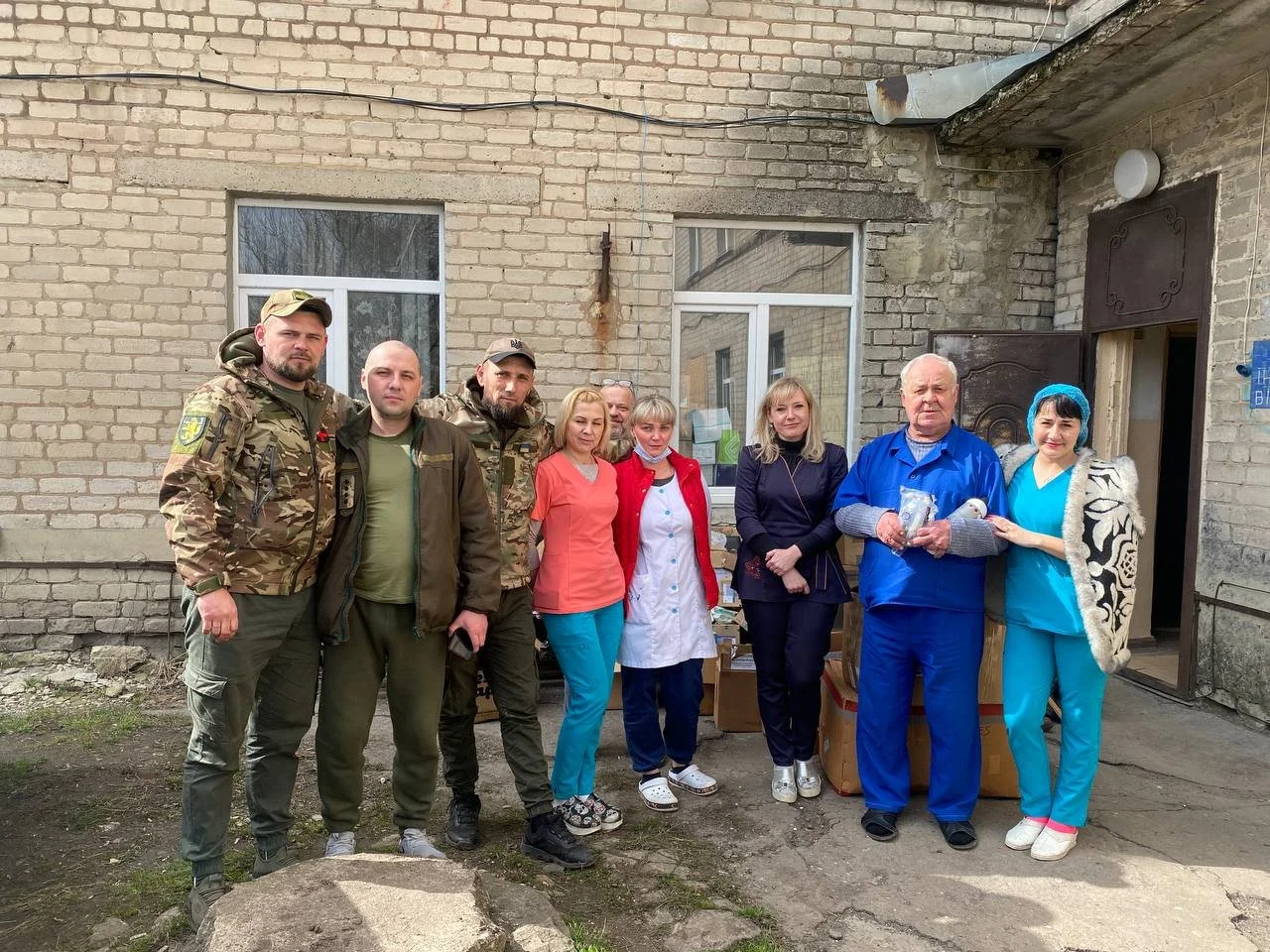
Impact at Scale This operation was not a localized drop; it was a systemic resupply.
In Bakhmut: We supported urban defenders engaged in close-quarters combat who needed rapid, pocket-sized nutrition.
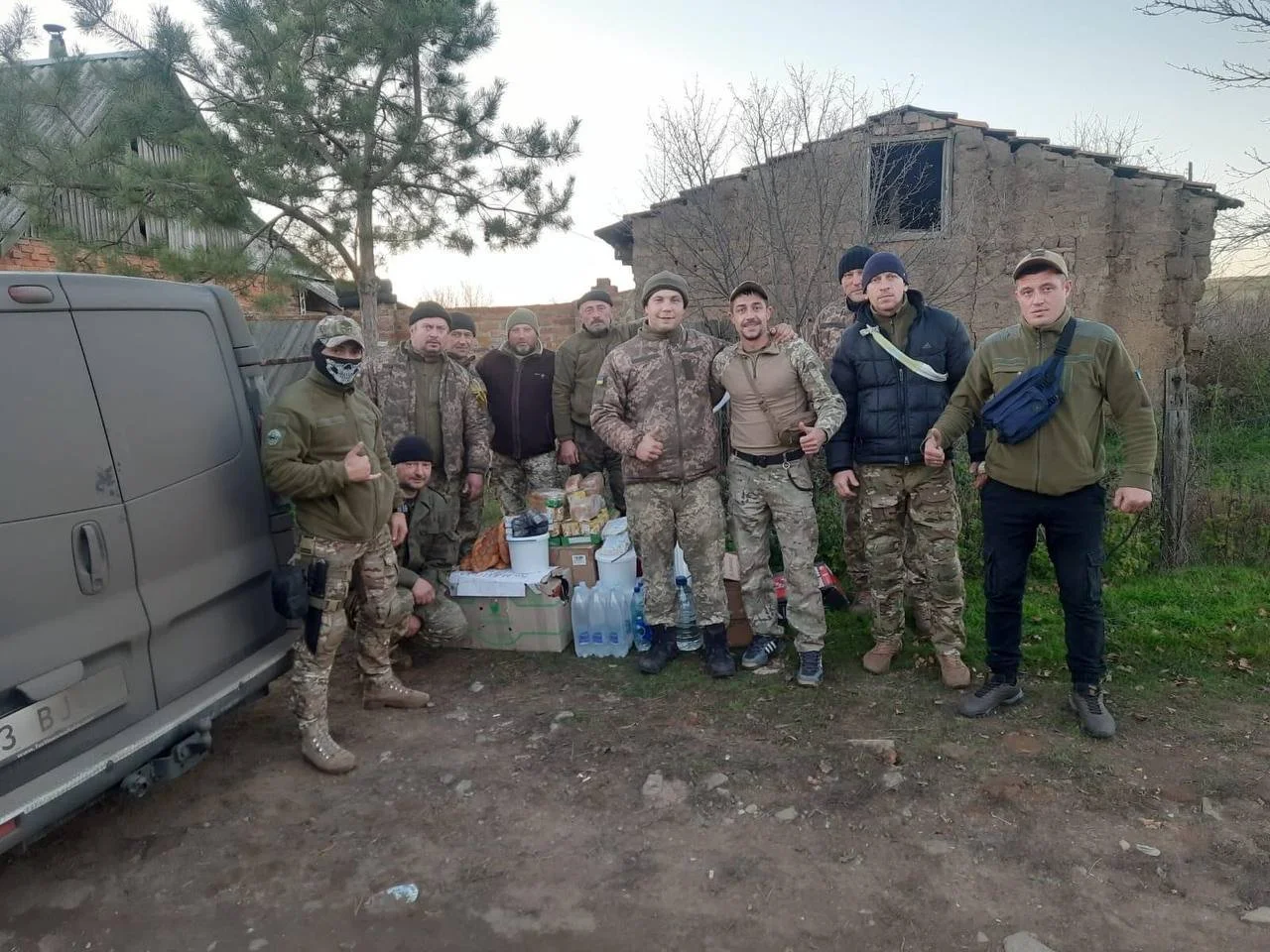
In Zaporizhzhia: We supplied trench lines where soldiers hold positions for days without rotation.
In Kharkiv: We reinforced mobile units that needed lightweight rations for rapid movement.
By repurposing commercial resources for military application, we ensured that tens of thousands of defenders had the fuel they needed to hold the line.