
3,000 Lifelines: Inside the Logistics of a Major Delivery
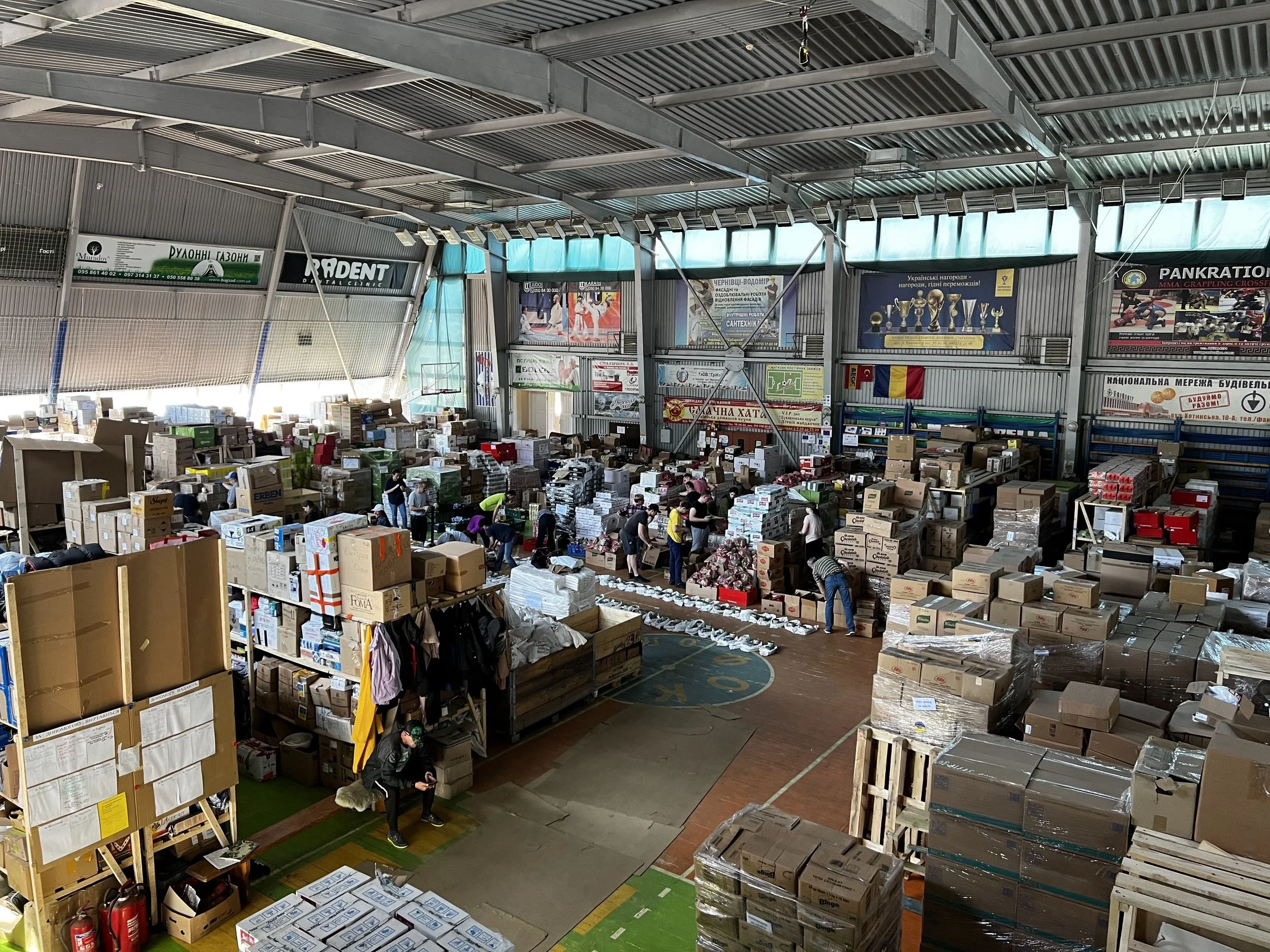
Pillar: Relief & Community | Volume: 3,000 Kits (30 Tons) | Locations: Kharkiv, Severodonetsk, Dnipro
You don’t realize the sheer physical weight of 3,000 care packages until you have to build them by hand.
It started early in the morning with a team of over 30 volunteers. By 7:30 PM, after hours of assembly-line work, we had only finished the first 800. It is a massive undertaking, but when you look at what is inside these bags, you understand why every minute of effort is worth it.
The Anatomy of Survival We have engineered these kits to be more than just a snack; they are a survival mechanism. Each 10kg bag provides approximately 28,693 calories—enough to sustain two people for a full week.
The Menu: 1L Oil, 2kg Pasta, 1kg Rice, 1kg Sugar, 1kg Flour, 600g Meat, 300g Tuna, 1.6kg Beans, Olives, Instant Soups, Noodles, Coffee, Tea, and Chocolate.
The Hygiene: Bleach, laundry detergent, soap, razors, toothbrushes, toothpaste, and feminine hygiene products.
The Efficiency Factor Because we source these items directly from wholesalers in Romania and Turkey, we have driven the cost down significantly. A kit that would cost nearly $100 at retail costs us roughly $35 to assemble. That means every dollar donated effectively triples in value before it even reaches the truck.
The Deliveries As soon as the last knot was tied, these bags were loaded onto trucks. Speed is critical; drivers from frontline regions often wait in Chernivtsi for days just to get a load. We didn't make them wait.
Here is where those 3,000 kits went:
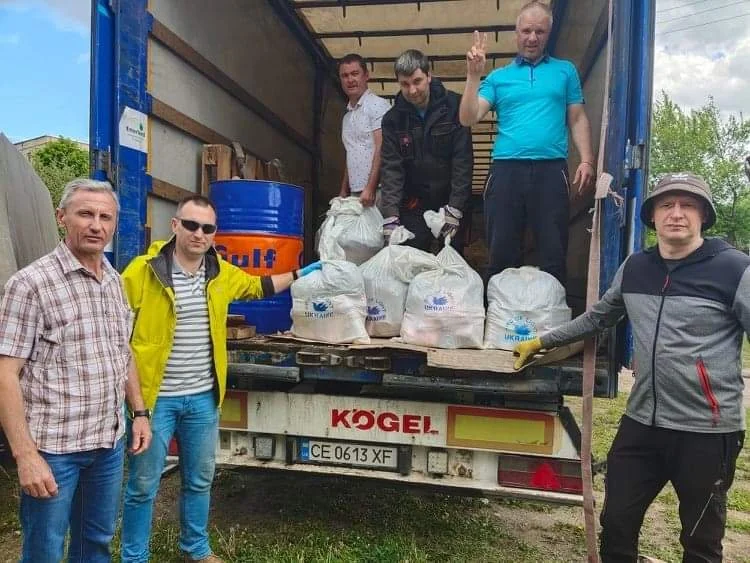
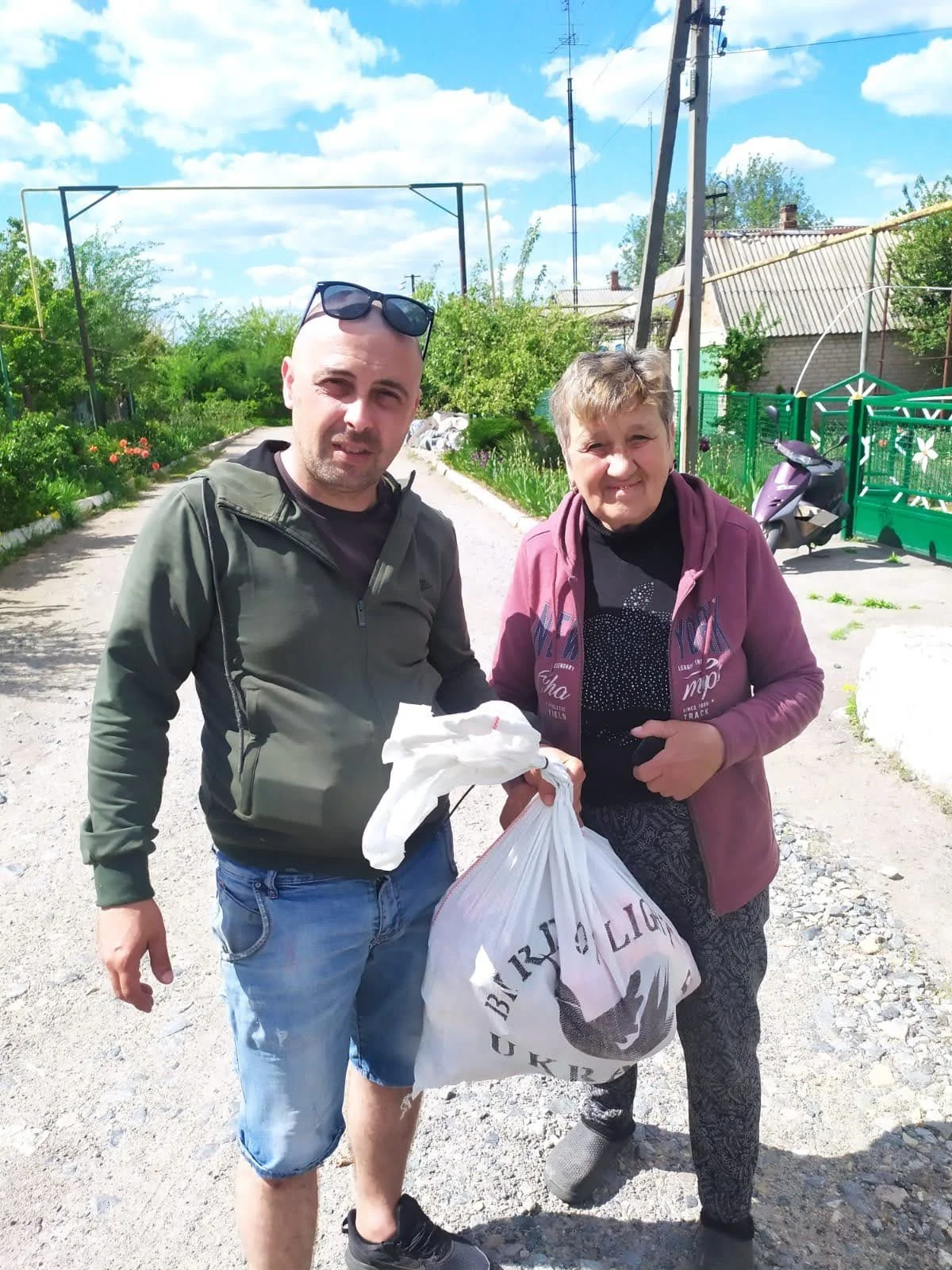
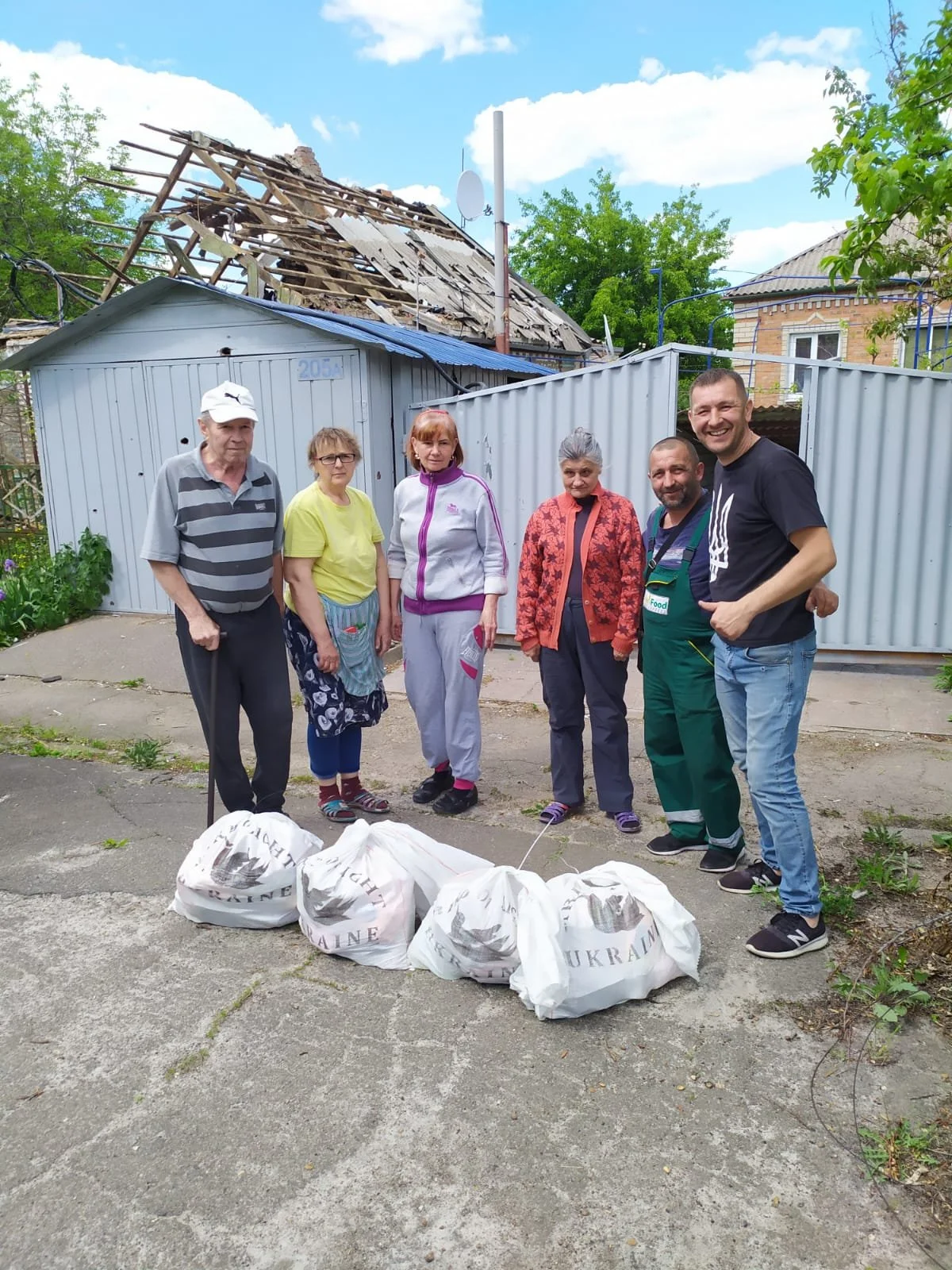
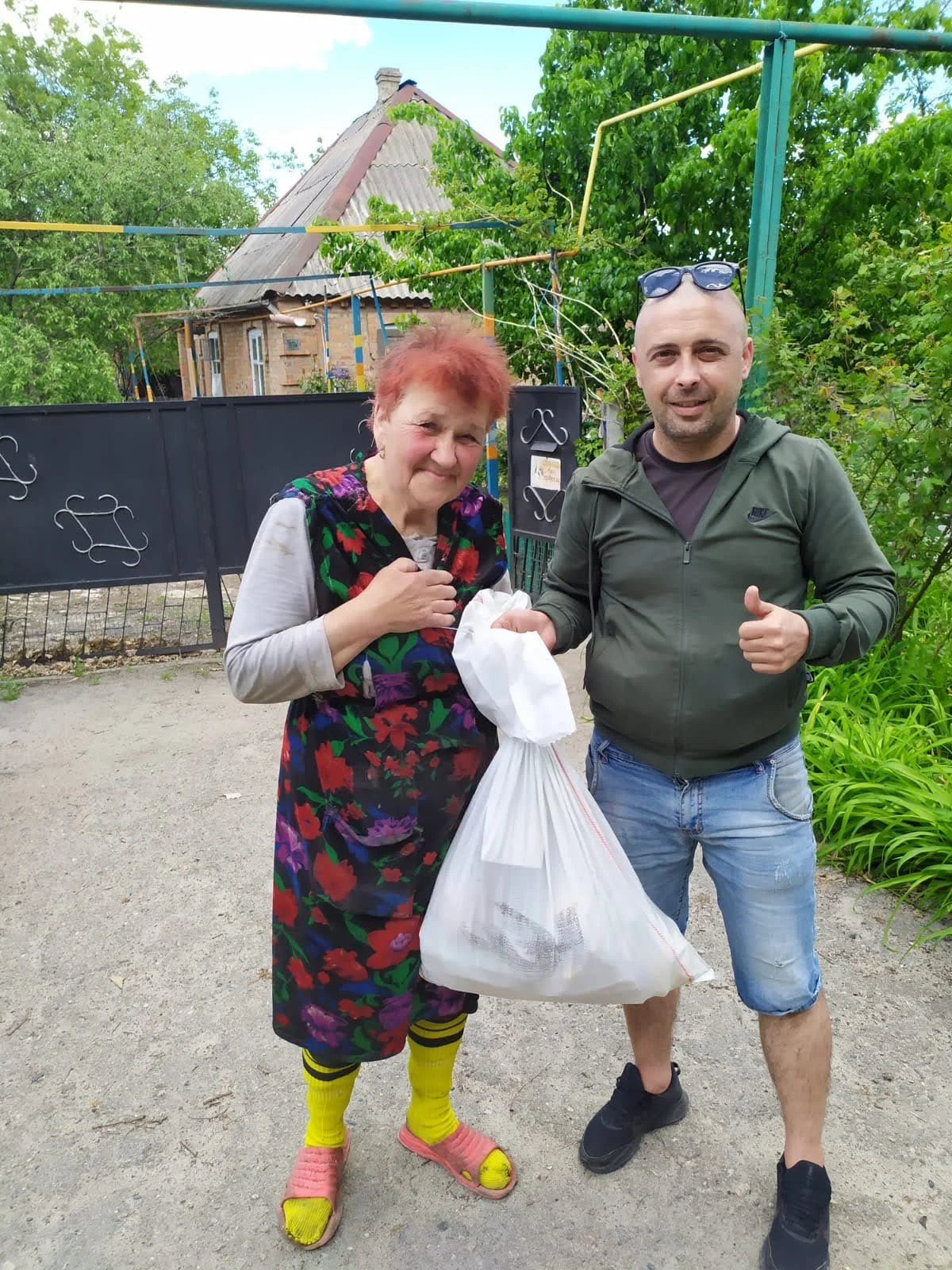
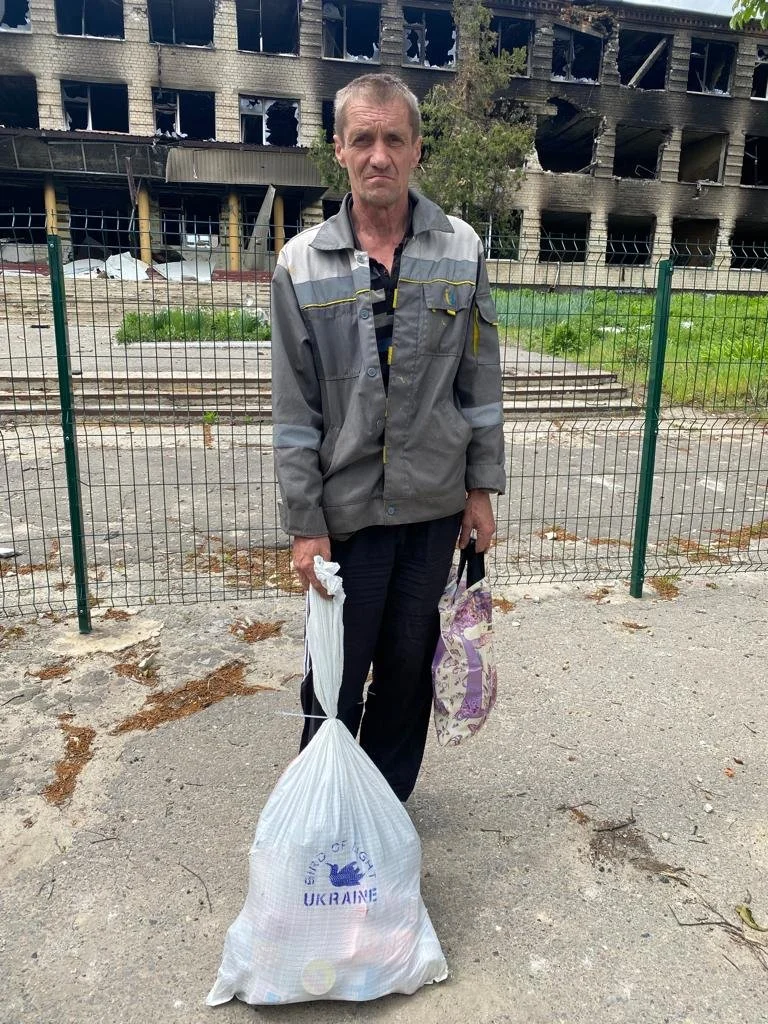
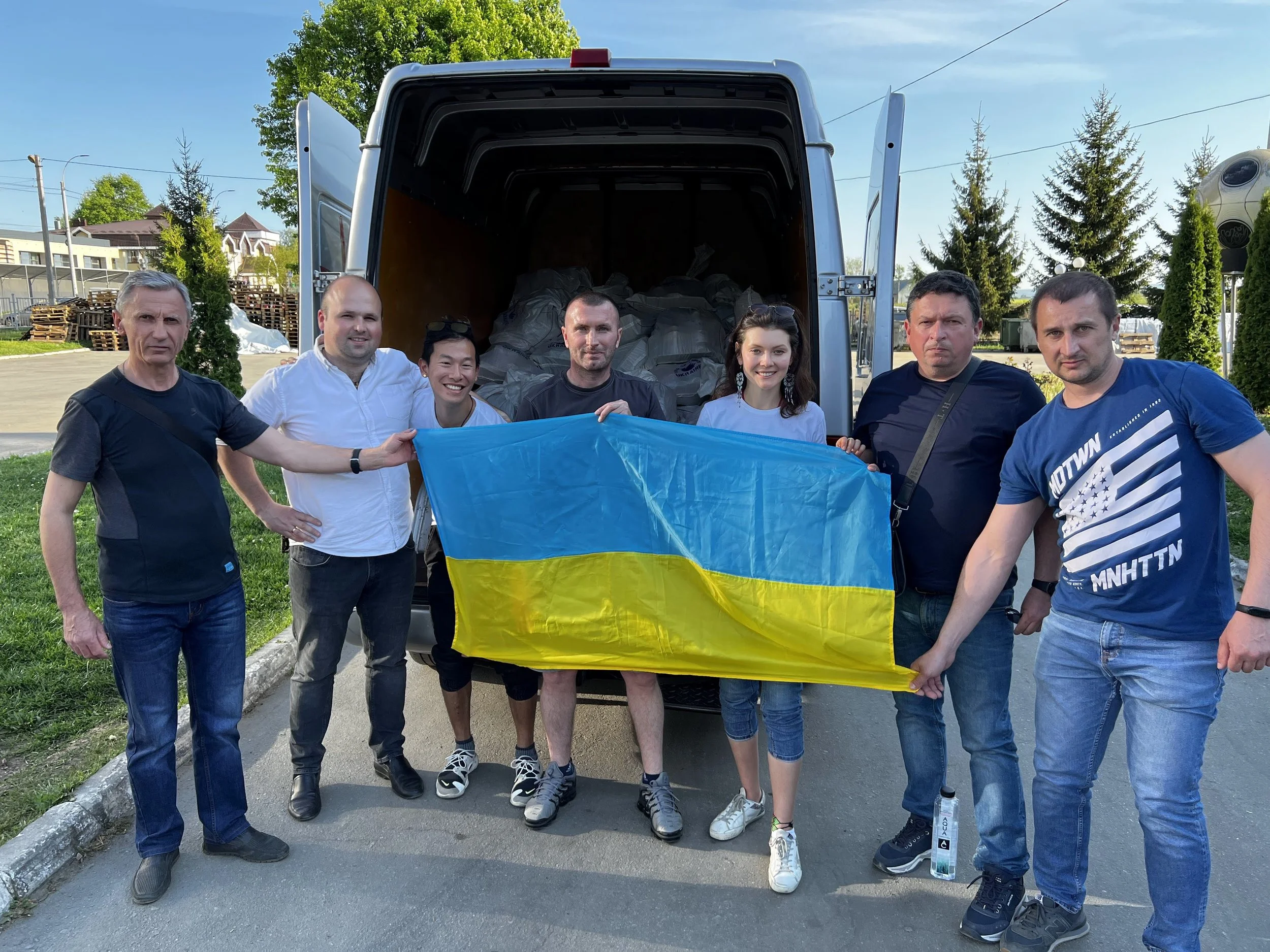
Delivery #1 & #3: Kharkiv remains one of the hardest-hit major cities. Supply chains there are still fractured, and for many elderly residents unable to evacuate, these bags are their primary source of nutrition.
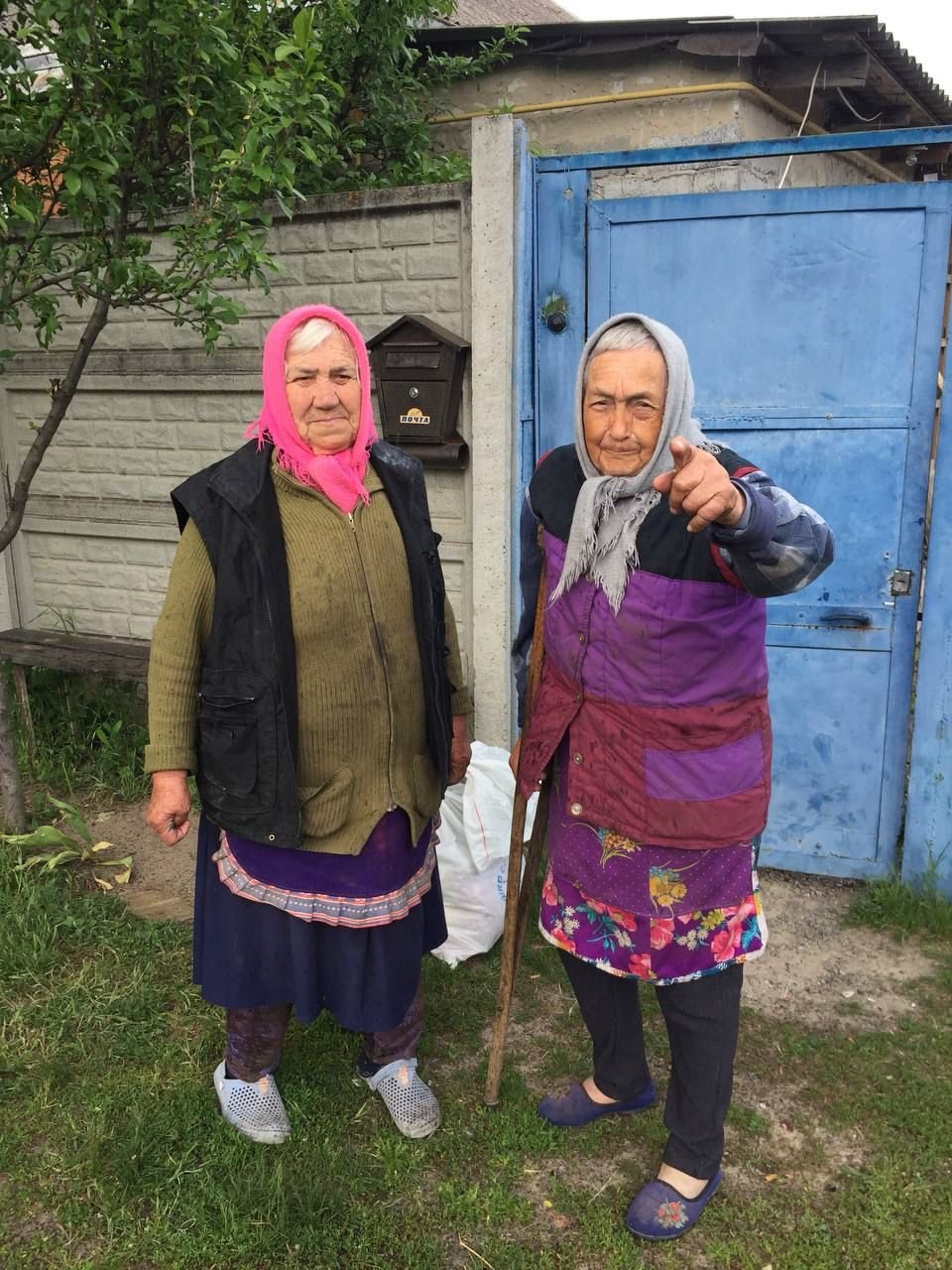
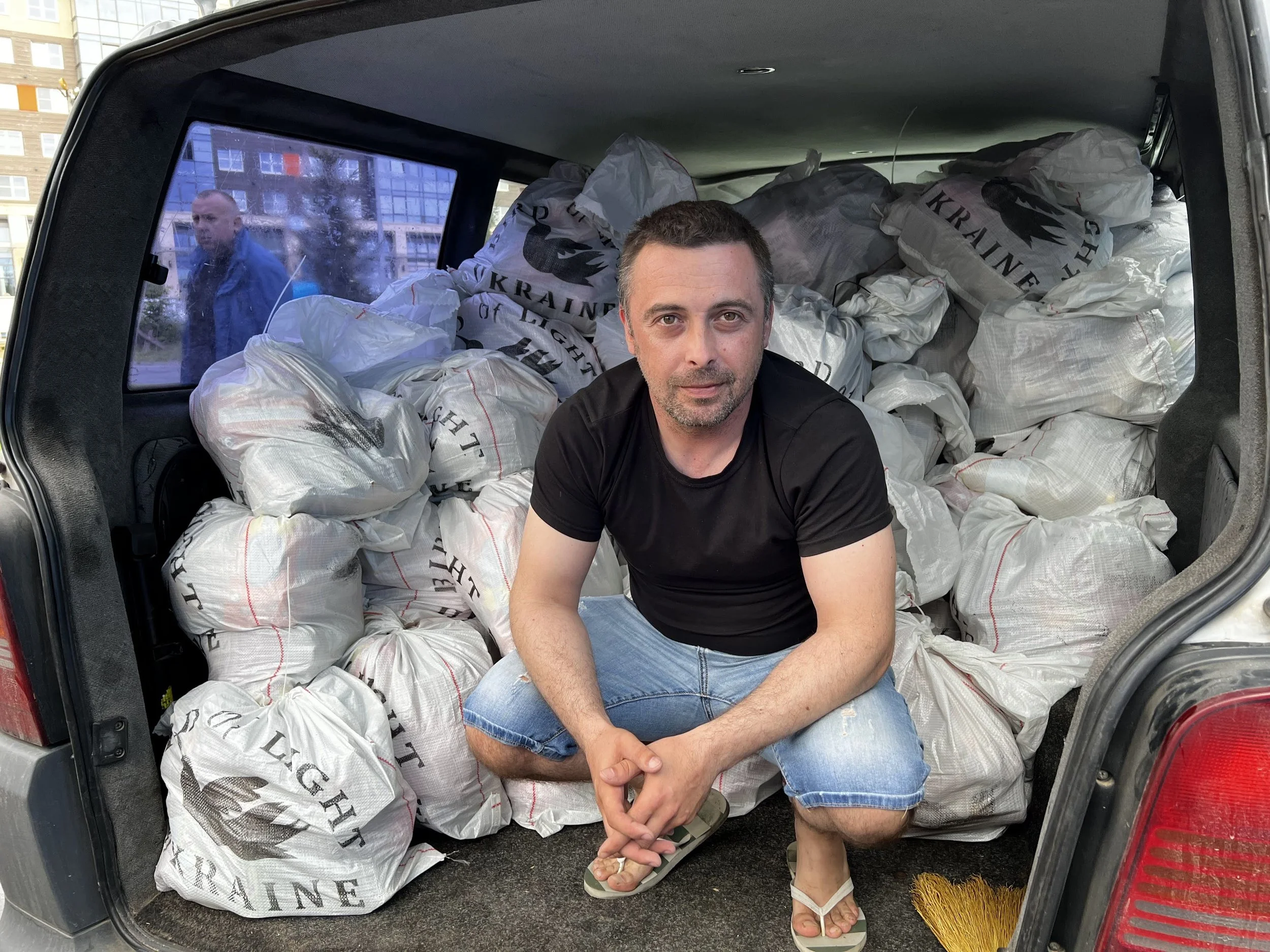
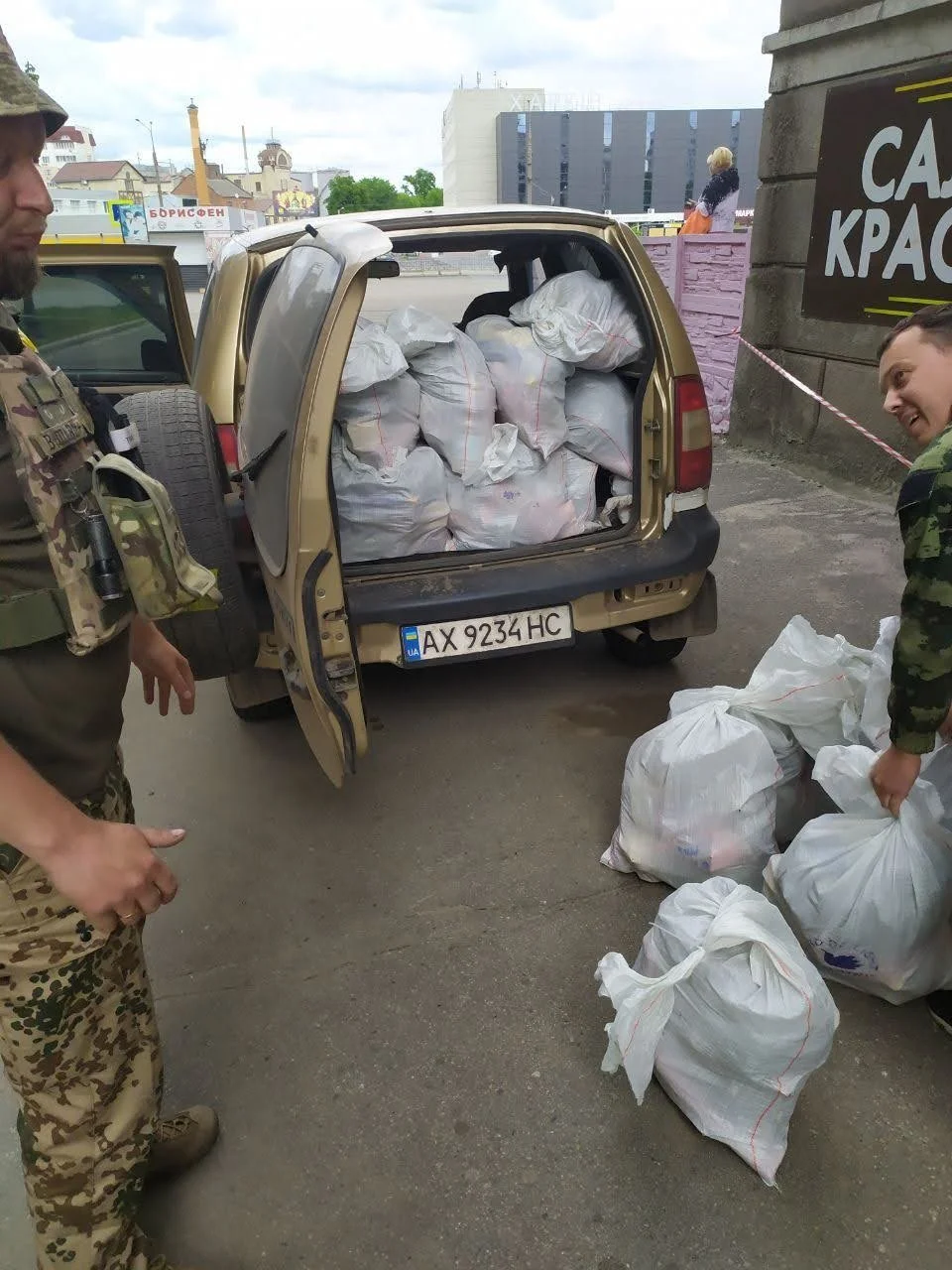
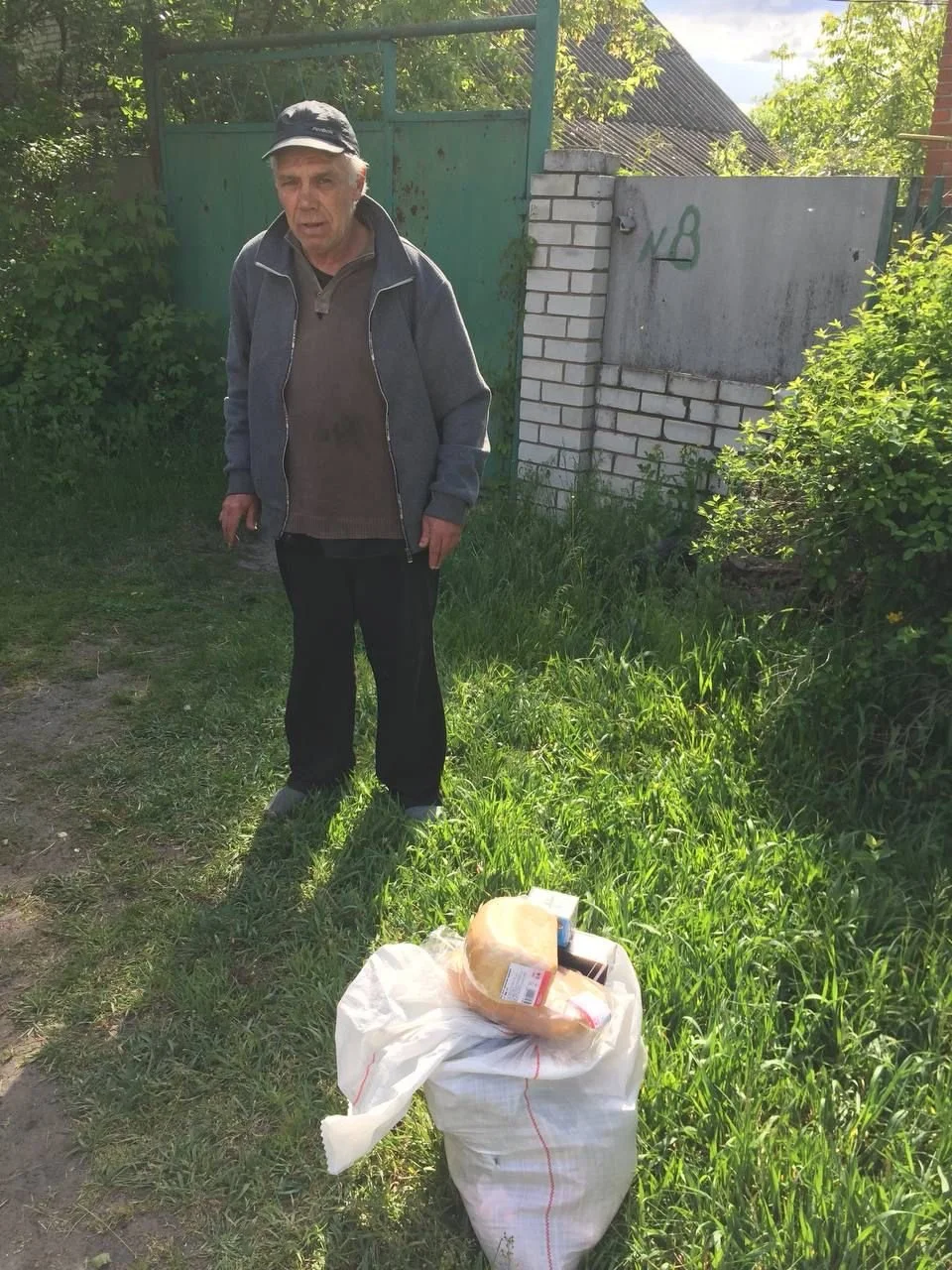
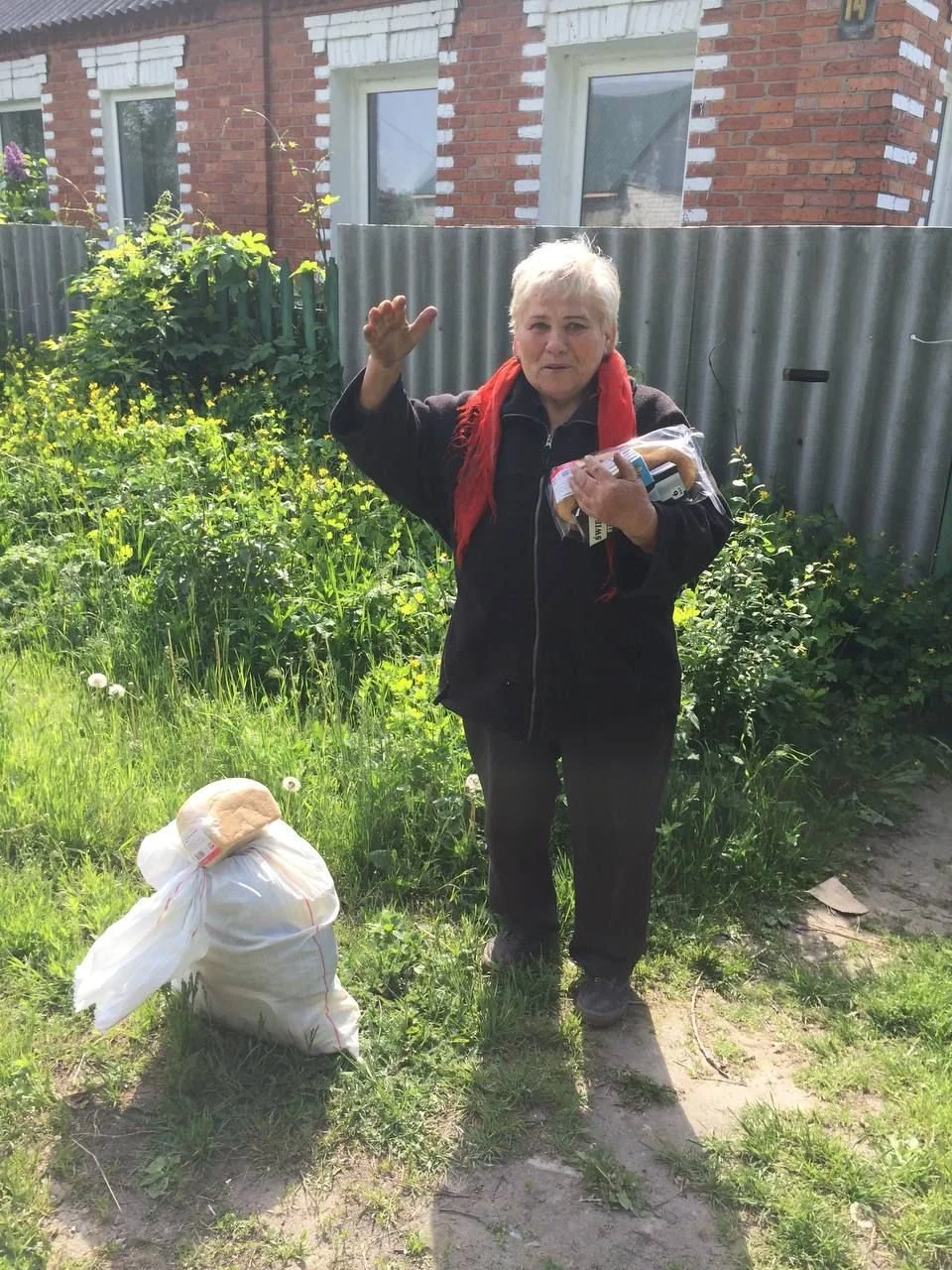
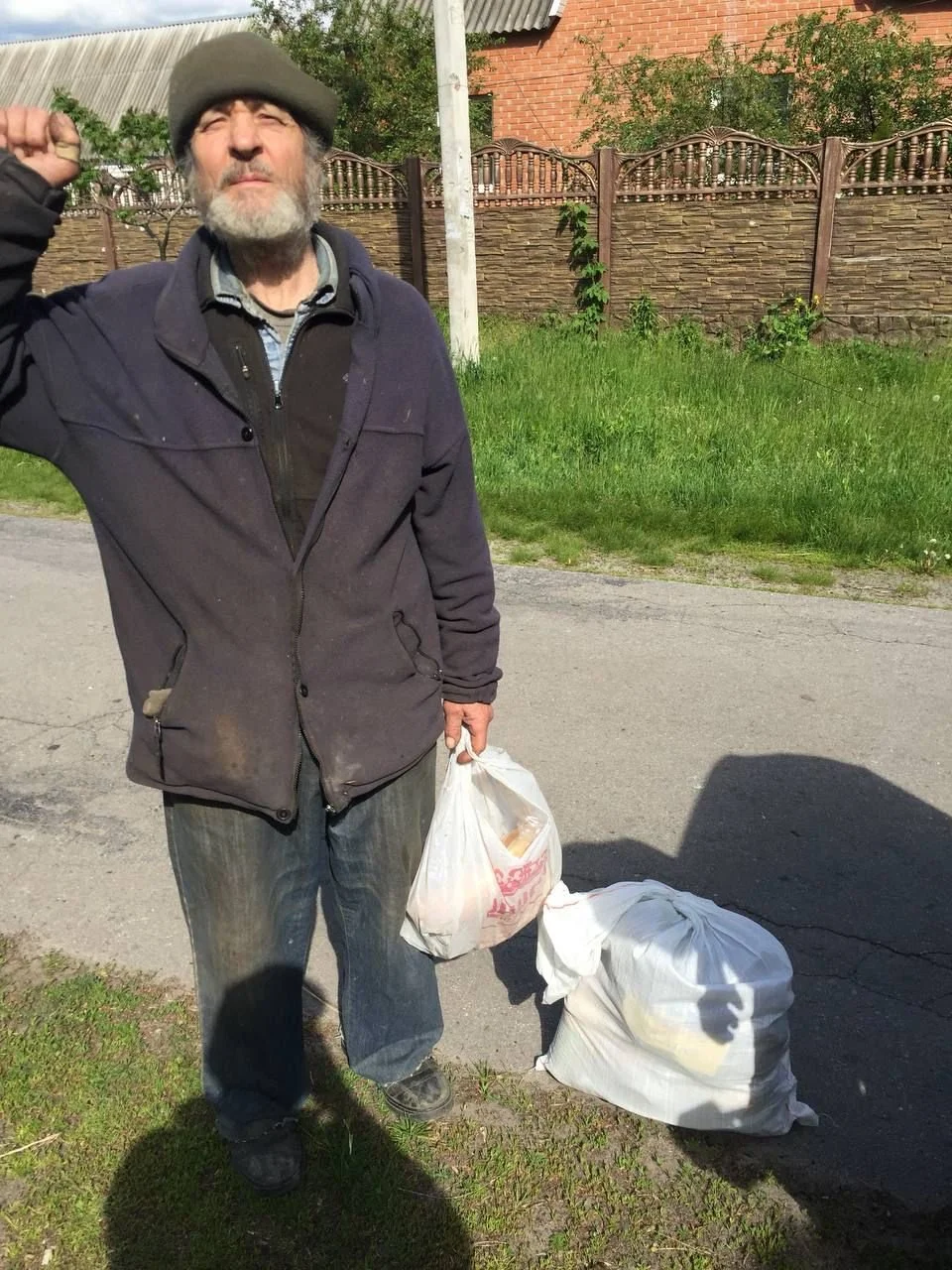
Delivery #2: Severodonetsk (Luhansk Region) This was a critical run. Severodonetsk is currently the epicenter of fierce fighting in the east. Getting aid into this region is becoming exponentially more difficult by the day. These supplies reached civilians who are living under constant shelling and have almost no access to local markets.
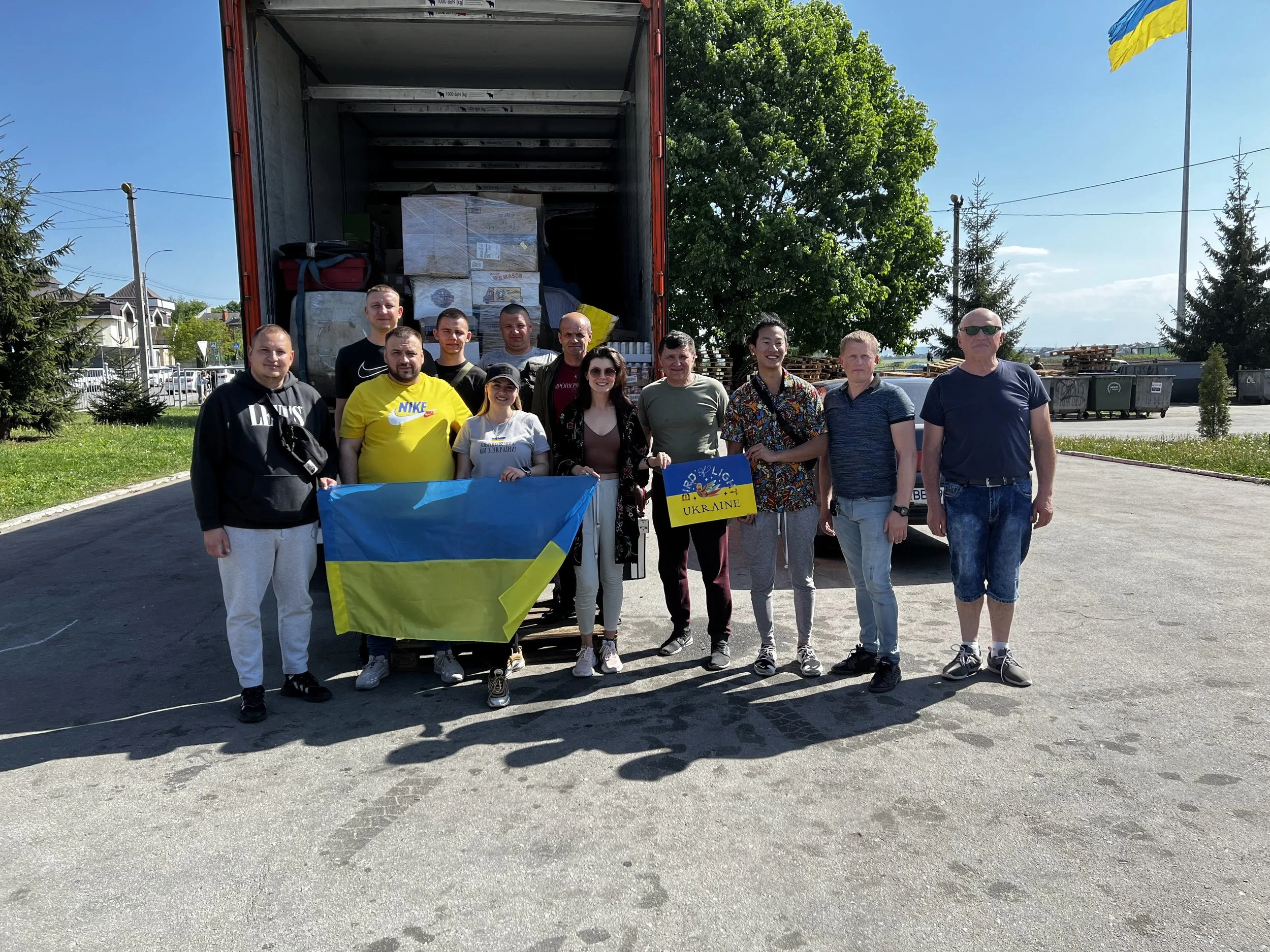
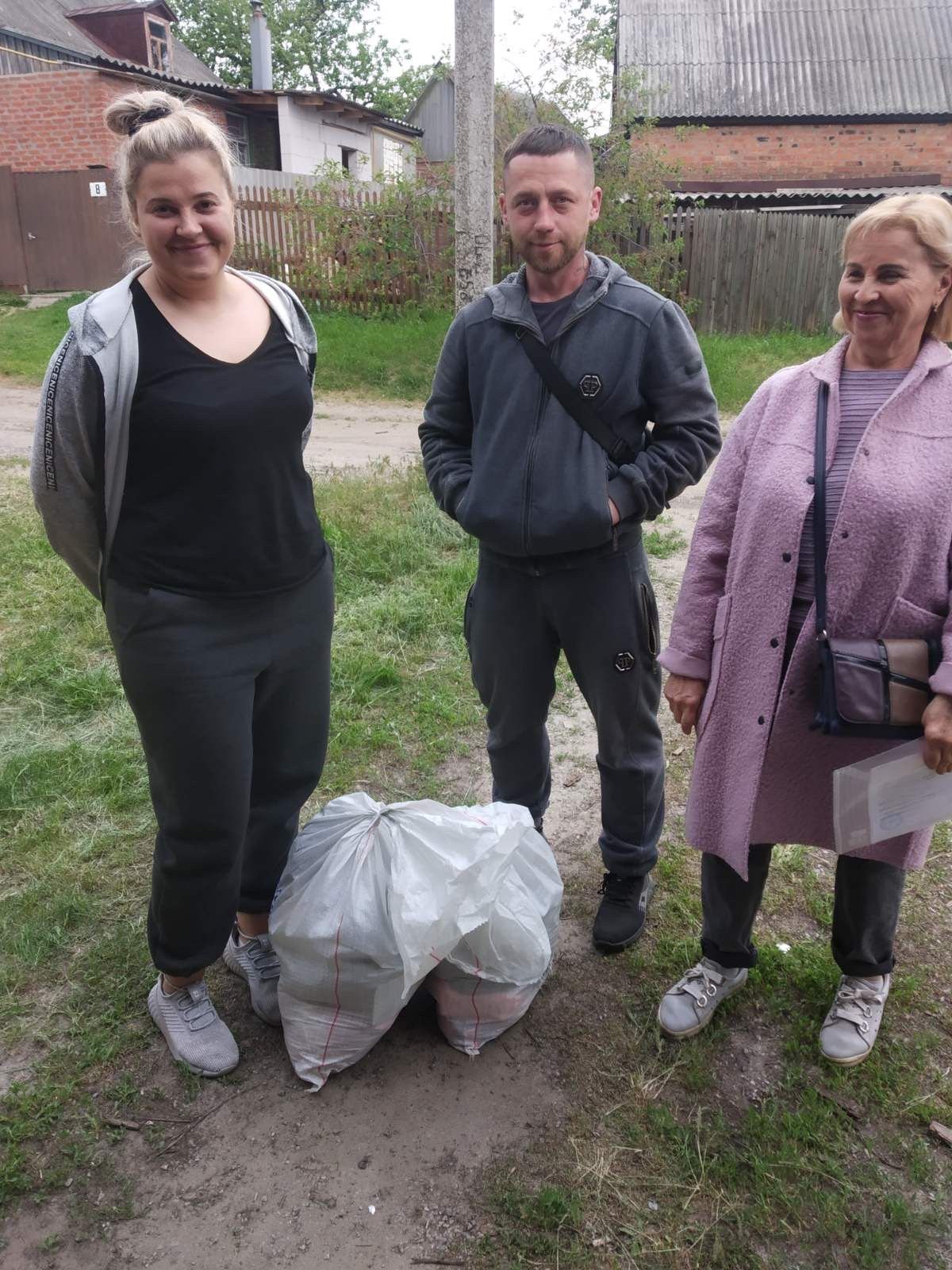
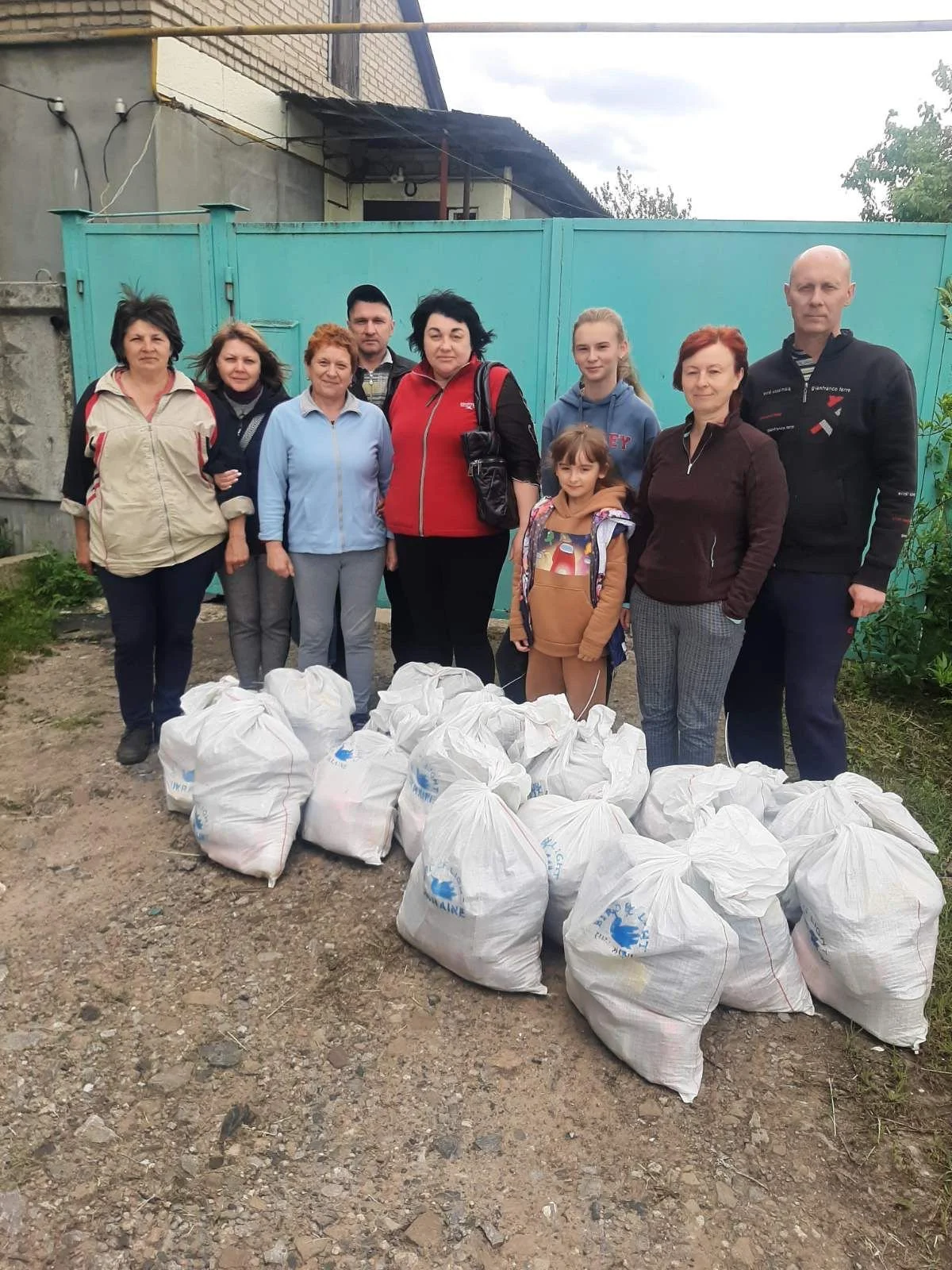
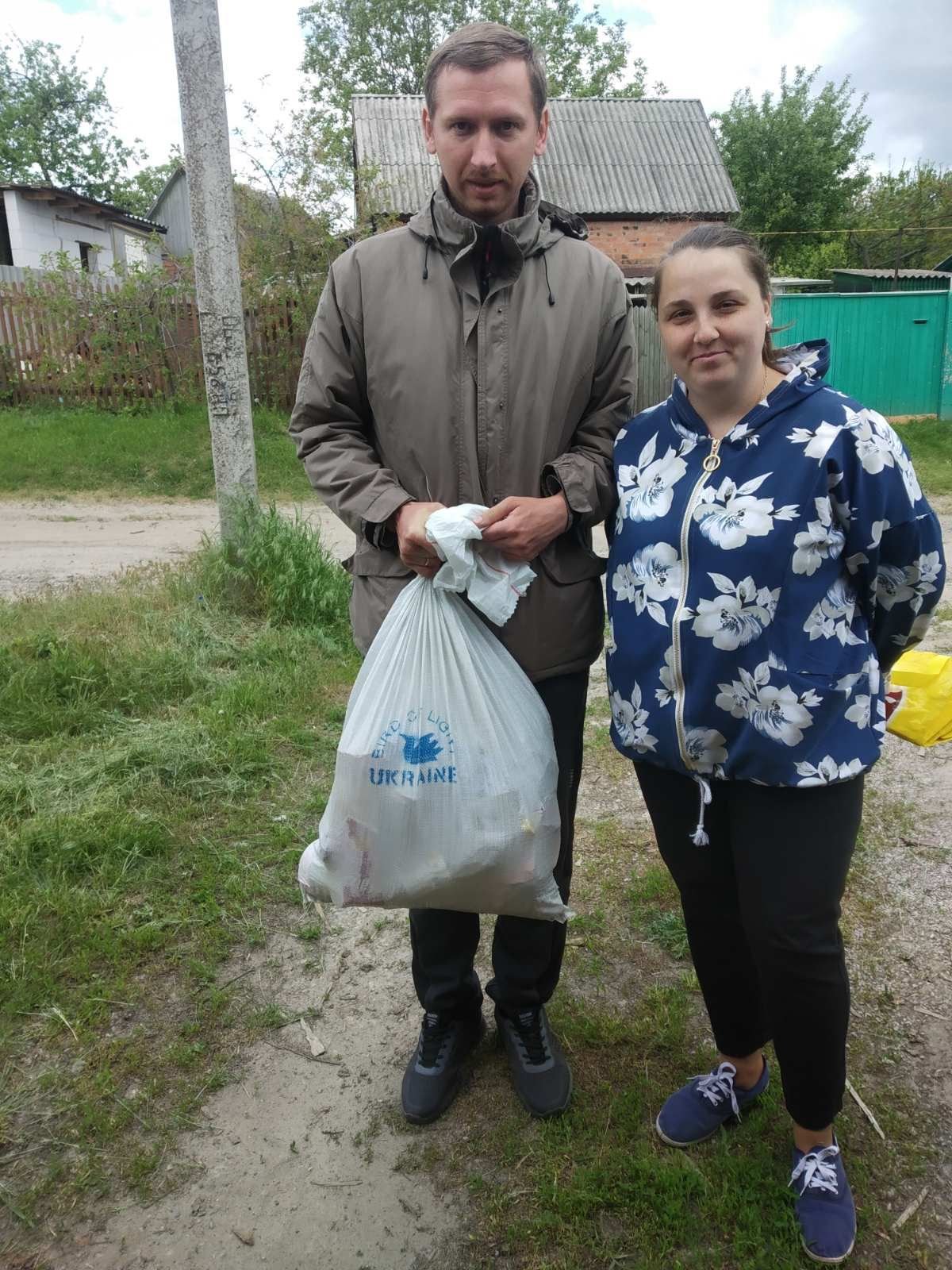
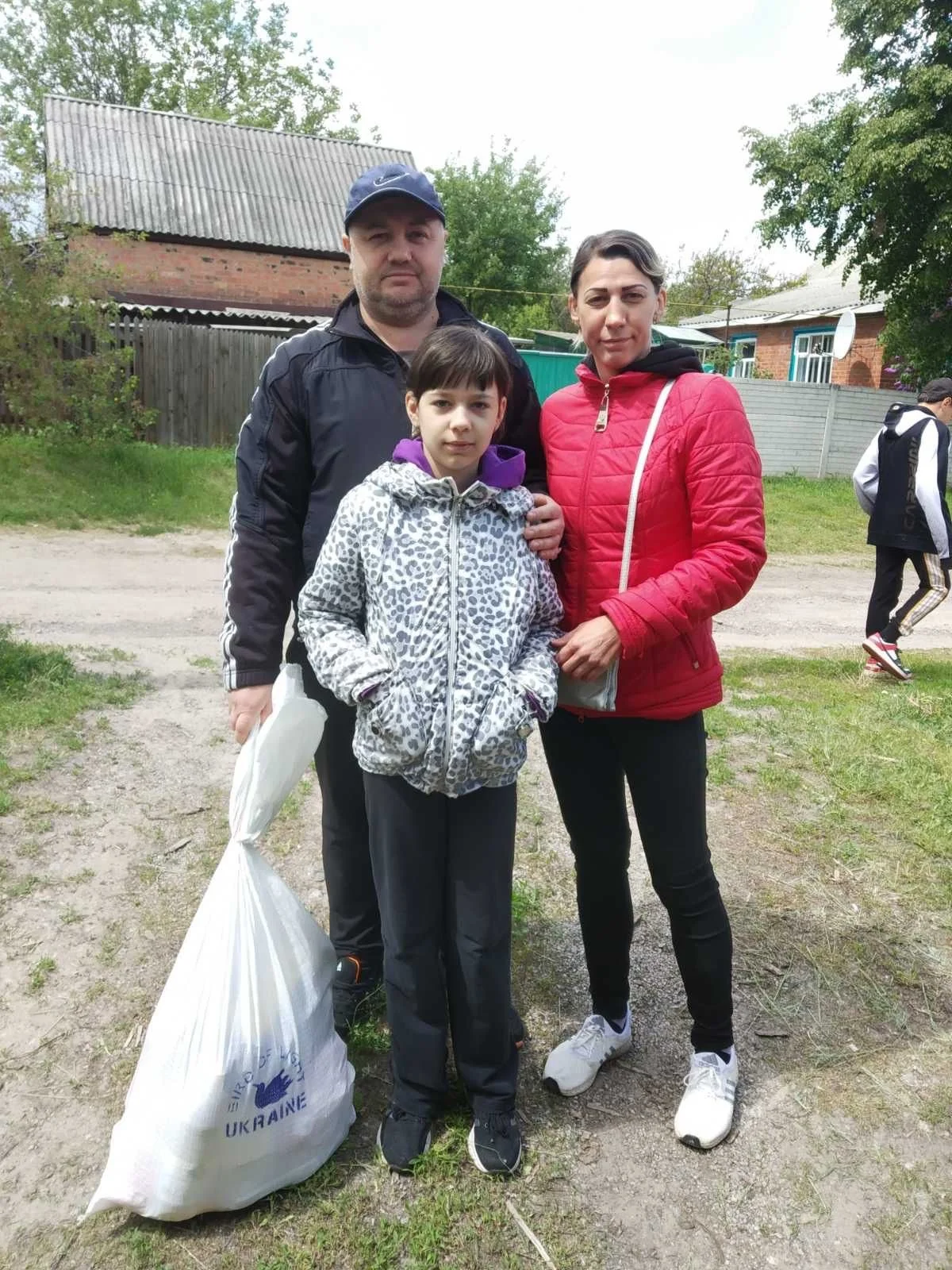
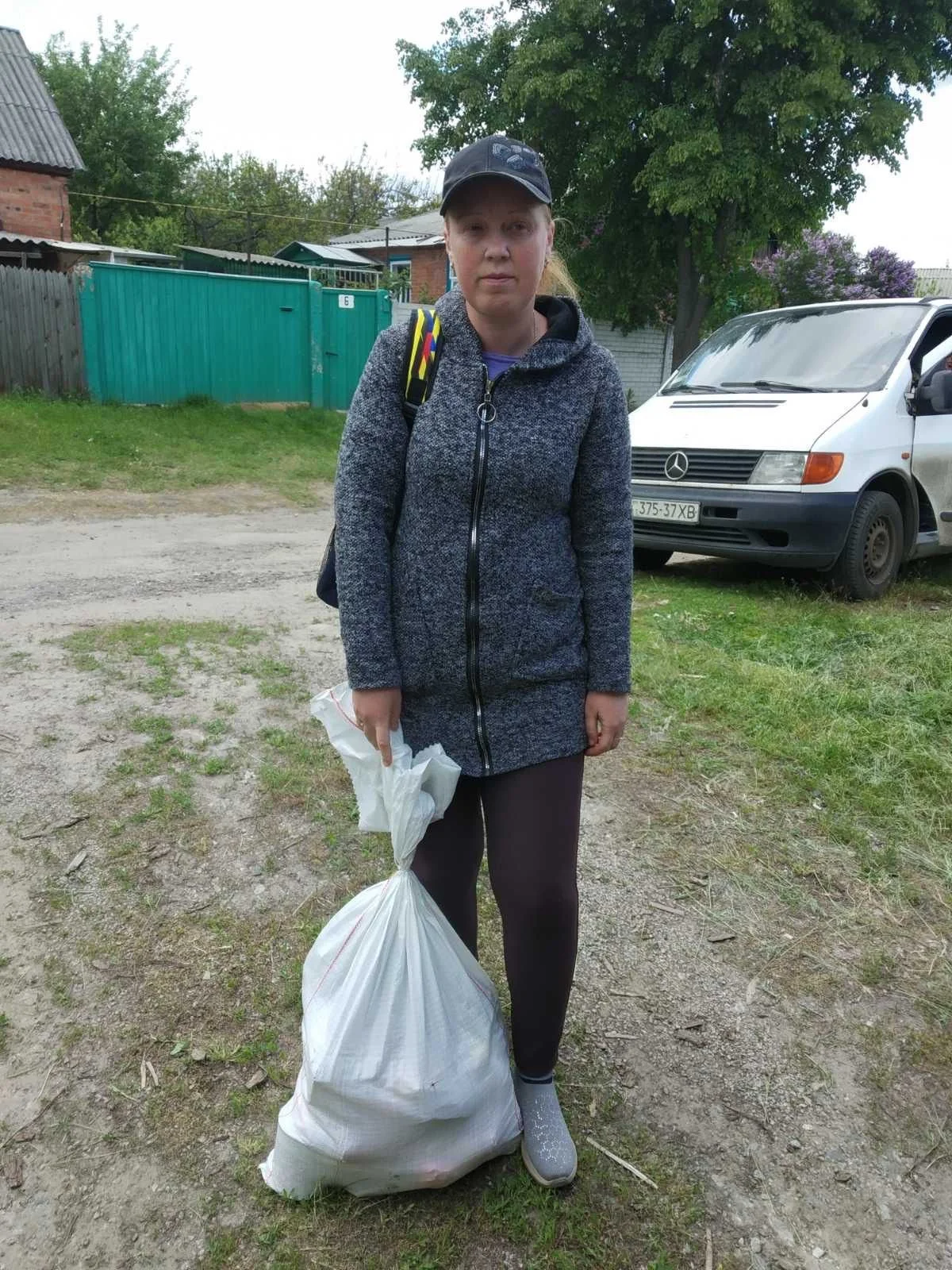
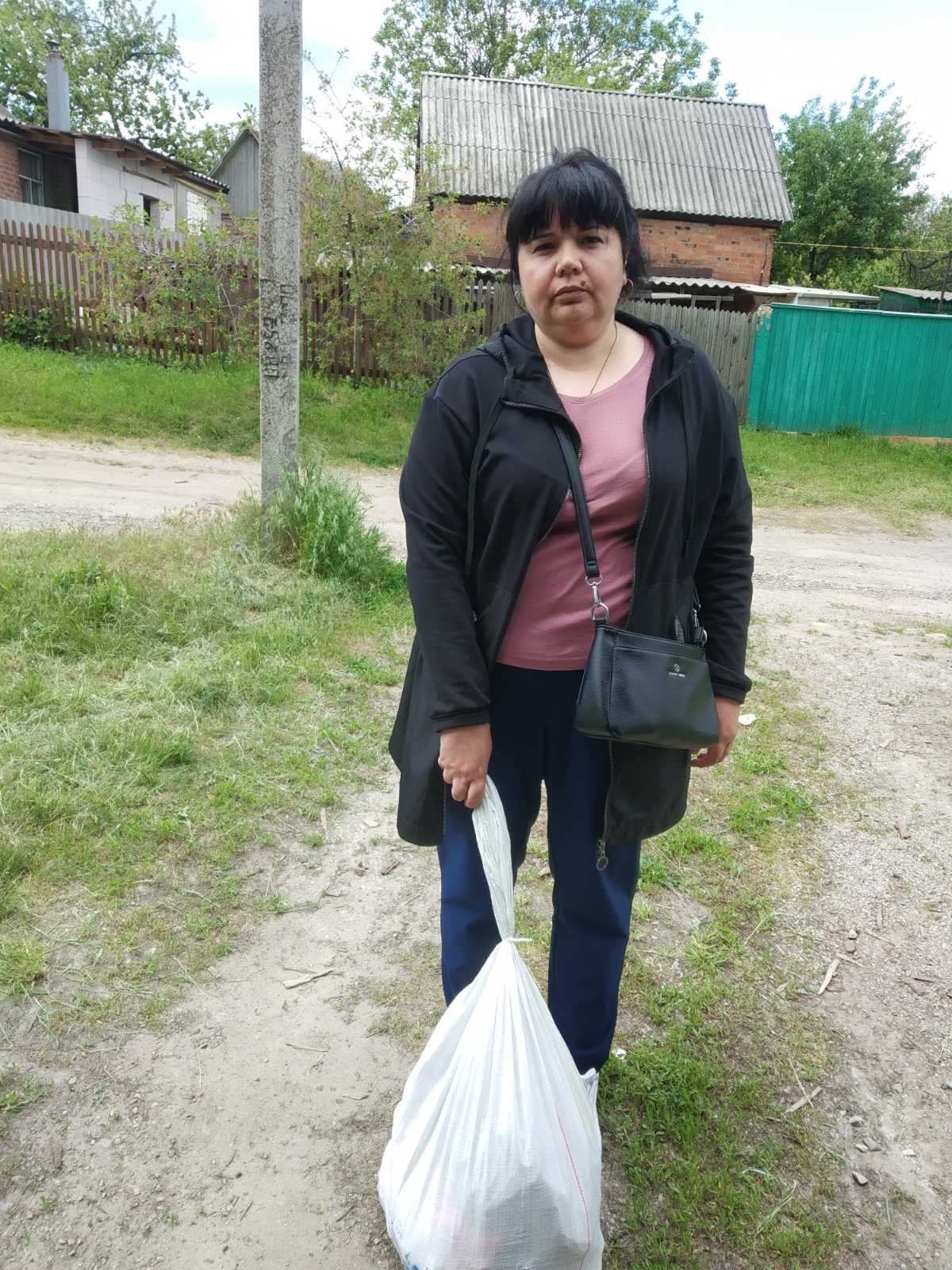
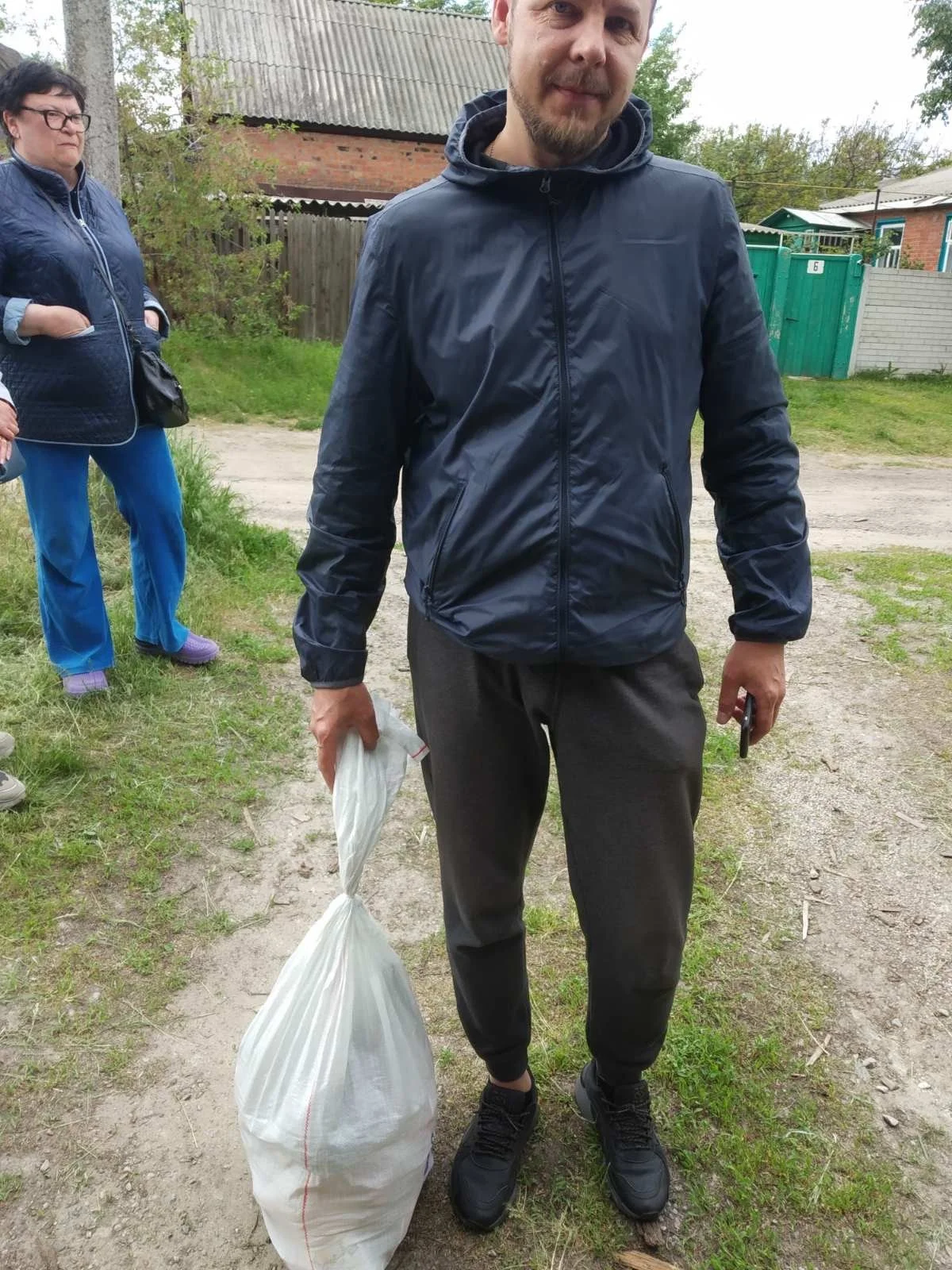
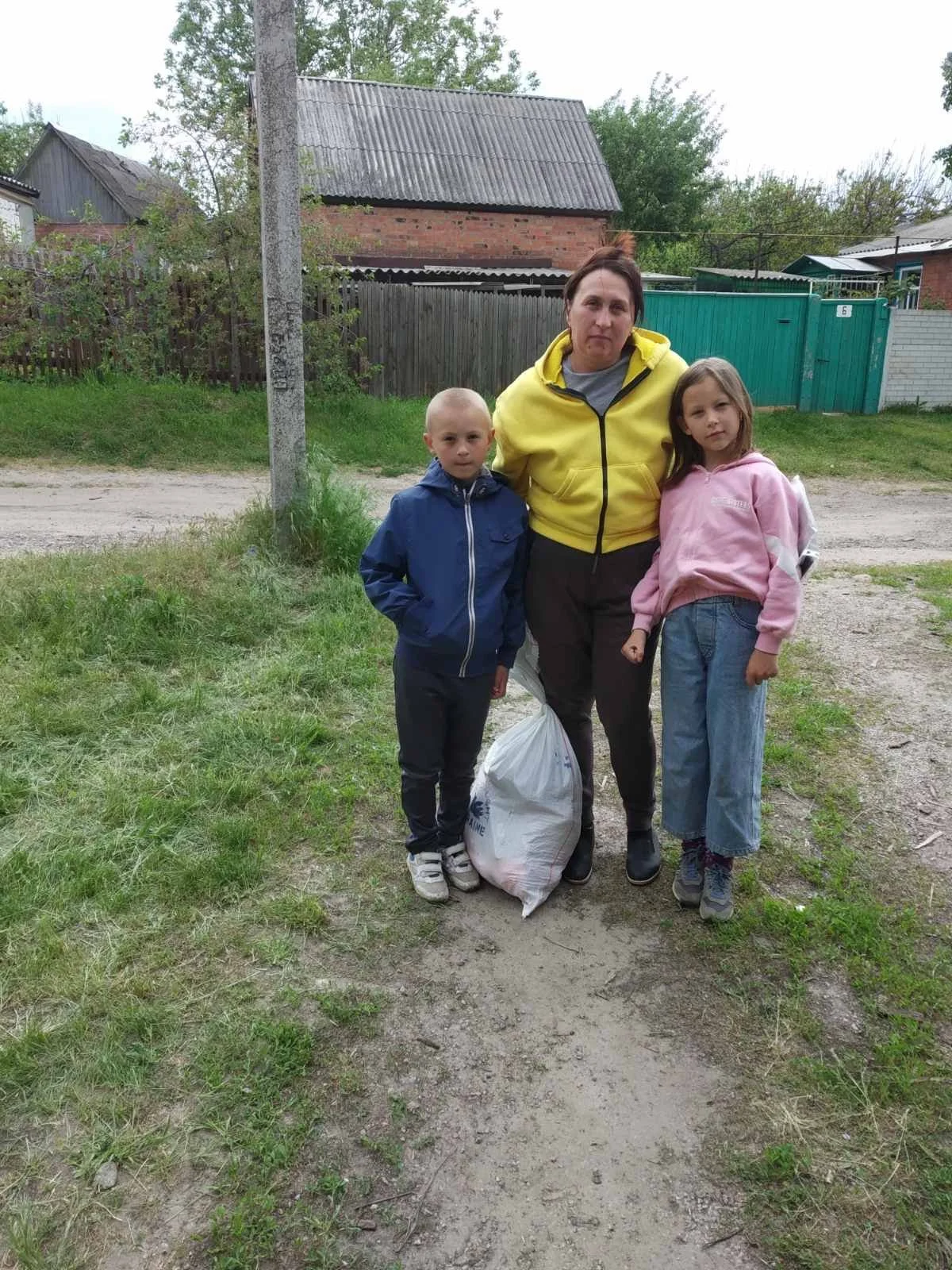
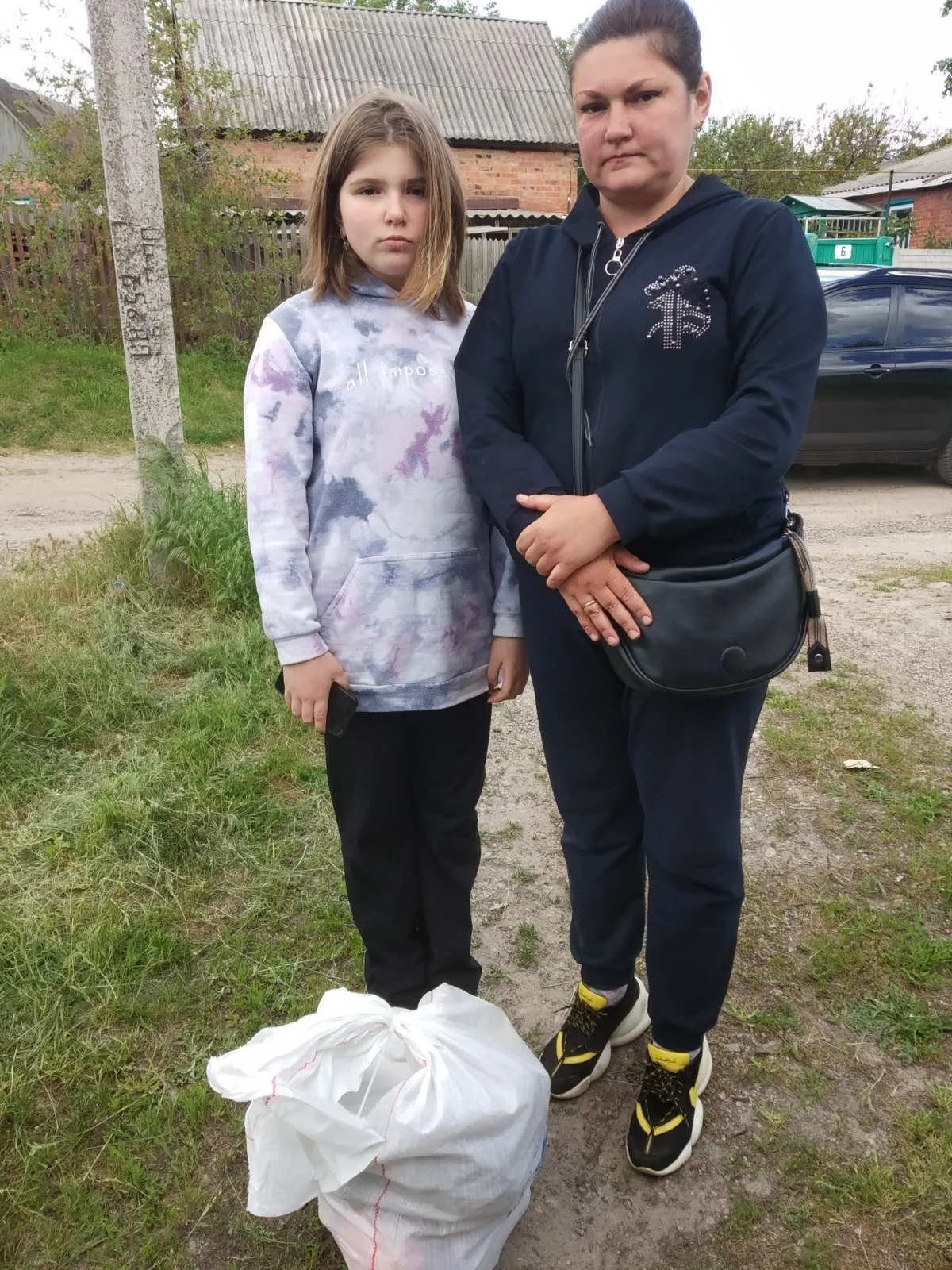
Delivery #4: Dnipro Dnipro has become the primary hub for families fleeing the Donbas. These kits were distributed to refugee centers where thousands of displaced people are arriving with nothing but the clothes on their backs.
