Rapid Response Infrastructure: Deploying 150,000 Liters of Water Storage
Project: Water & Health (WASH) | Region: Mykolaiv
The destruction of the Kakhovka Dam created an immediate ecological and humanitarian crisis, leaving entire regions without access to running water. While humanitarian convoys were quick to truck water into the affected areas, we identified a critical logistical failure in the delivery chain: lack of storage.
Residents were forced to queue for hours with whatever small buckets they had on hand. If a family missed the truck—or if the truck was delayed—they were left with nothing. The supply was volatile, and the distribution was inefficient.
Solving the "Last Mile" Problem Bird of Light Ukraine, in partnership with World Orphan Fund and Spiv Diia, moved to stabilize the water supply for the hardest-hit communities in the Mykolaiv region.
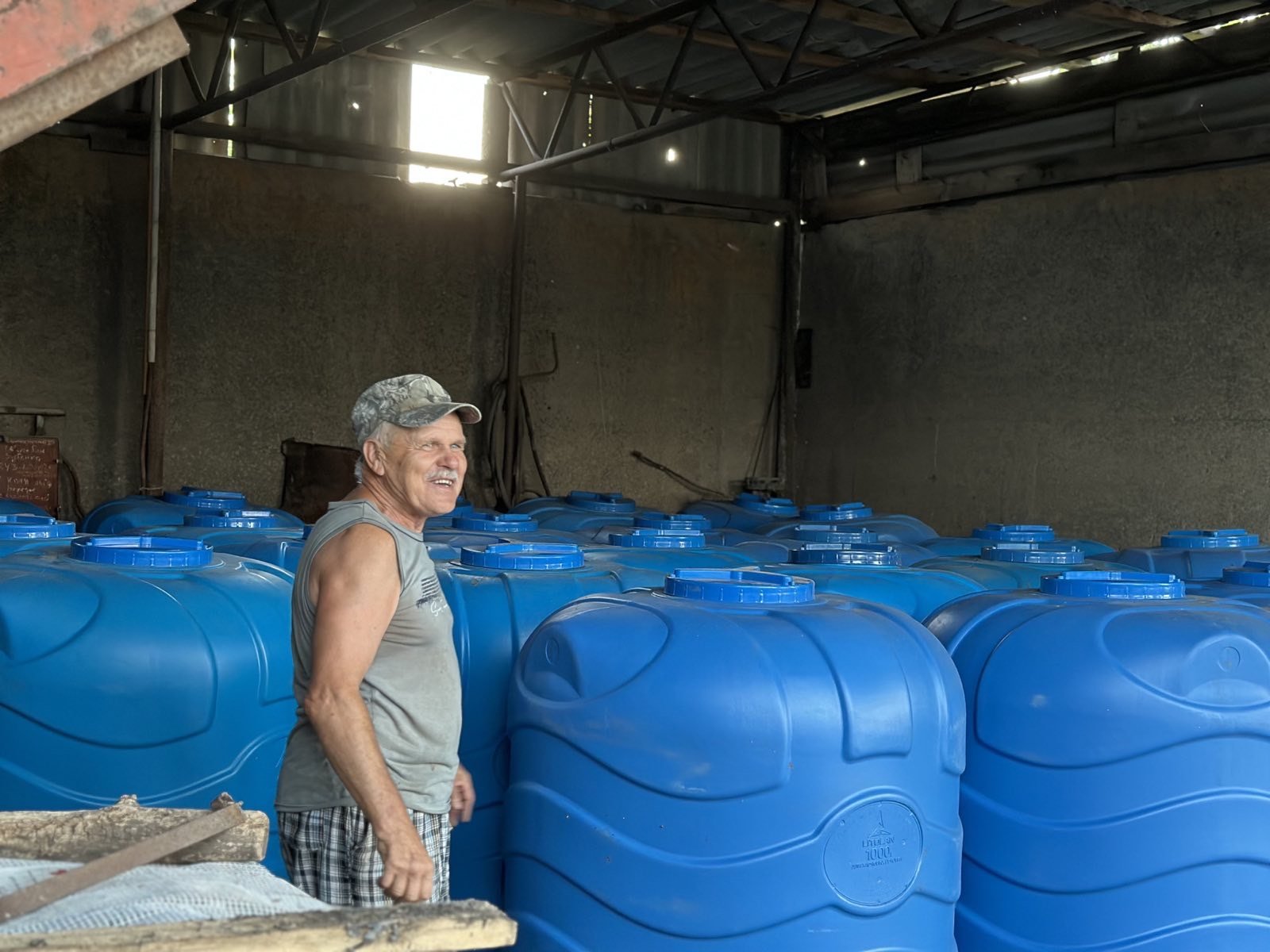
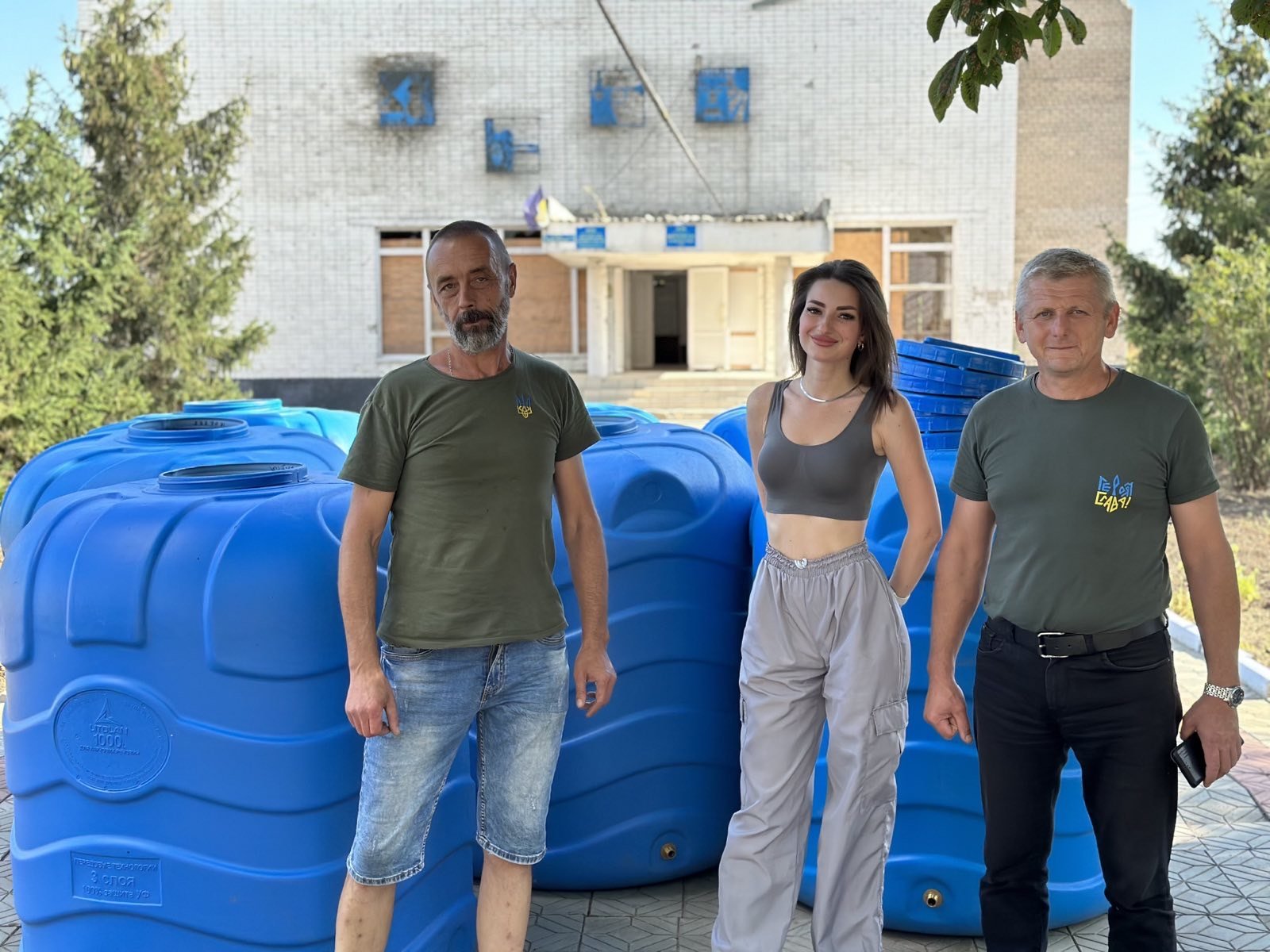
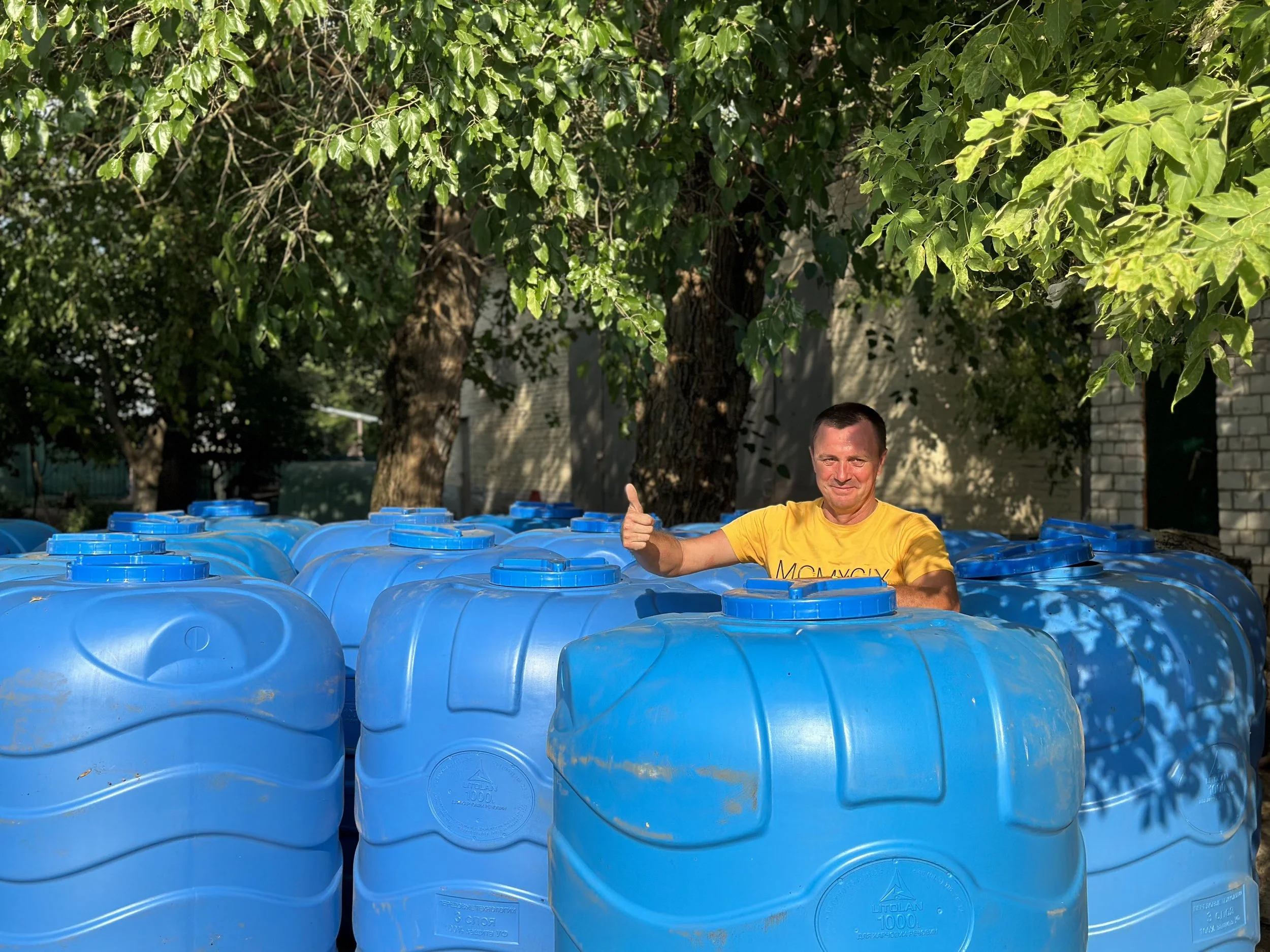
Rather than just sending more water trucks, we invested in static infrastructure. We procured and installed 150 industrial-grade water tanks, each with a 1,000-liter capacity.
The Impact of 150,000 Liters By deploying 150,000 liters of total storage capacity, we fundamentally changed how these communities access water:
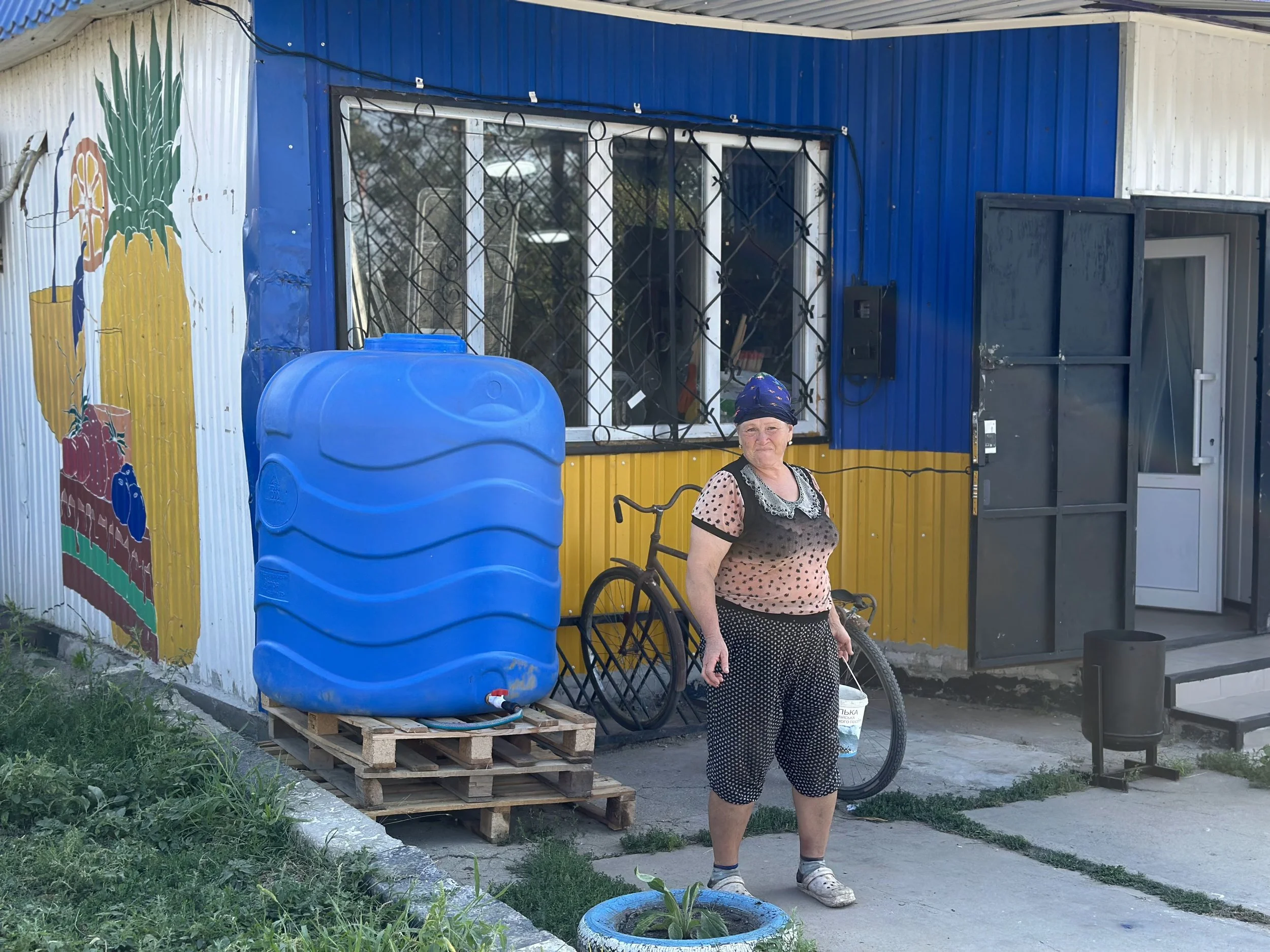
Decoupled Supply: Communities no longer live on the water truck’s schedule. The trucks now fill the central reservoirs, allowing residents to access water whenever they need it.
Stability for the Vulnerable: Elderly residents and families with small children no longer need to stand in line or worry about missing a delivery window.
Efficiency: Aid trucks can now offload thousands of liters in minutes and move to the next village, rather than waiting for individuals to fill small bottles.
A Model of Collaboration This project was a testament to the power of strategic partnership. With the generous financial sponsorship of the World Orphan Fund and the on-the-ground logistical coordination of Spiv Diia, we were able to turn a volatile crisis into a manageable situation.
We didn't just bring water; we built the infrastructure to keep it there.